

Posté le 23/09/2006 à 01:55
Pegomas 2001
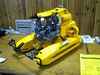
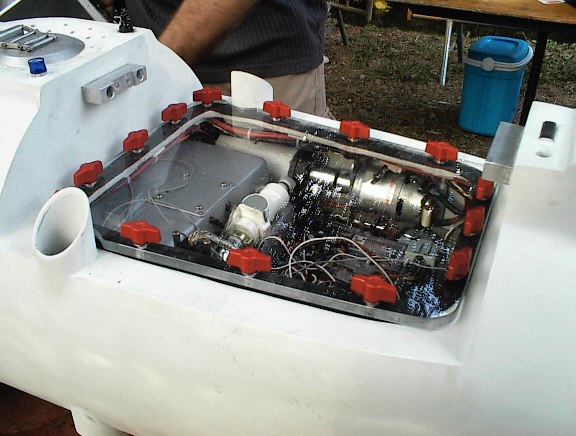
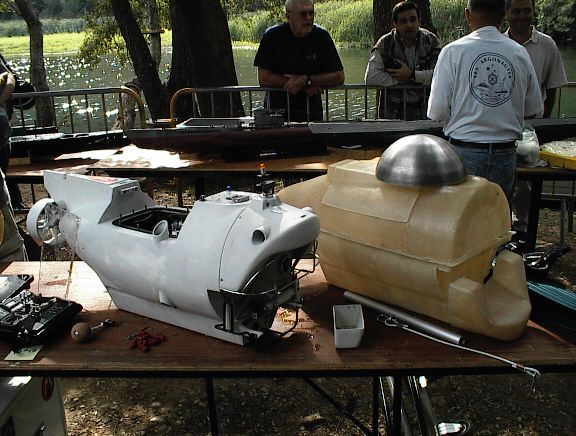
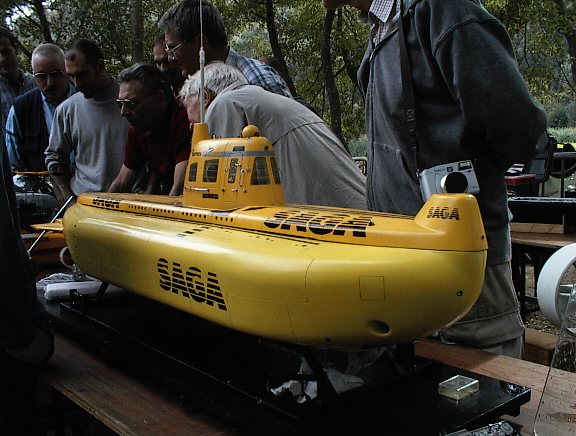
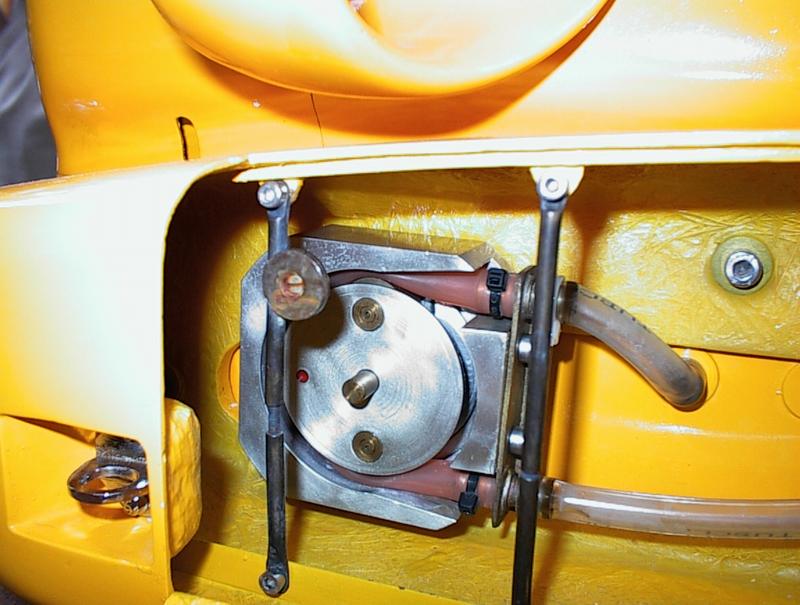
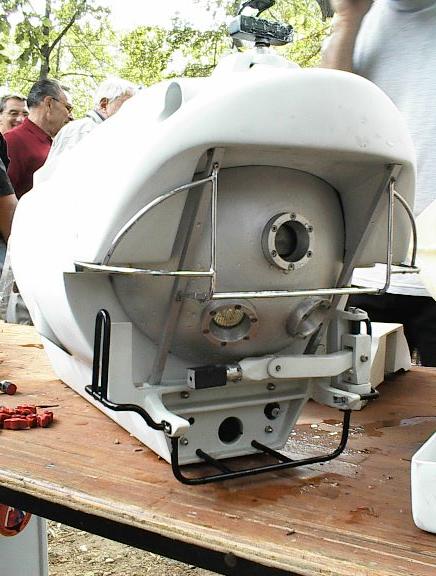
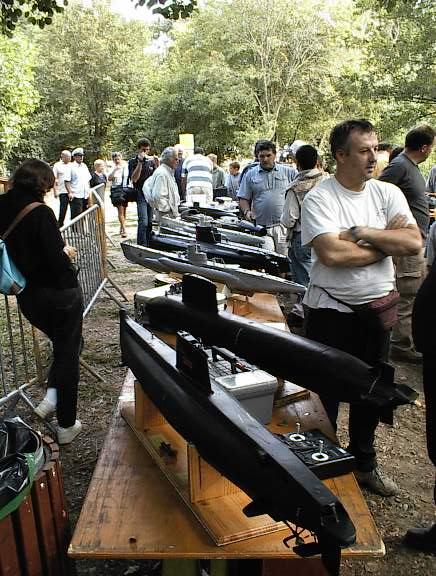
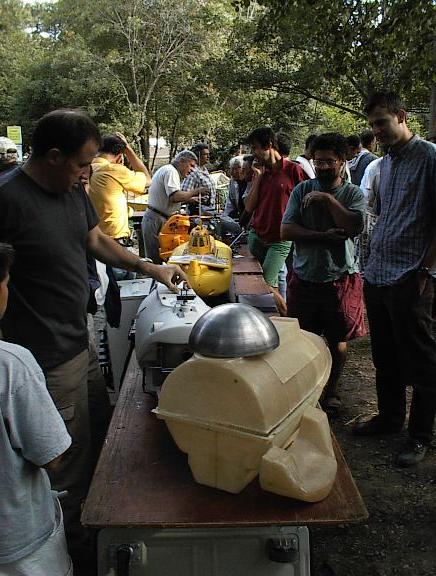
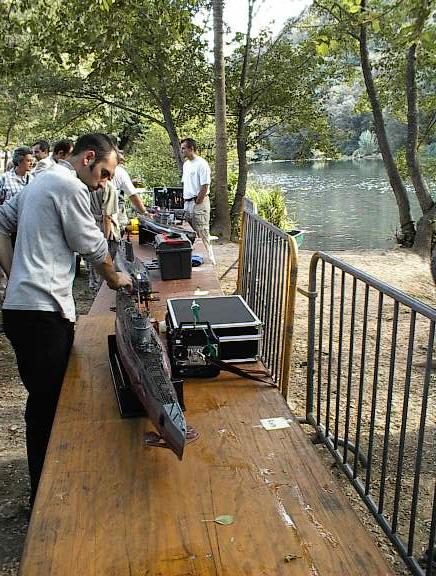
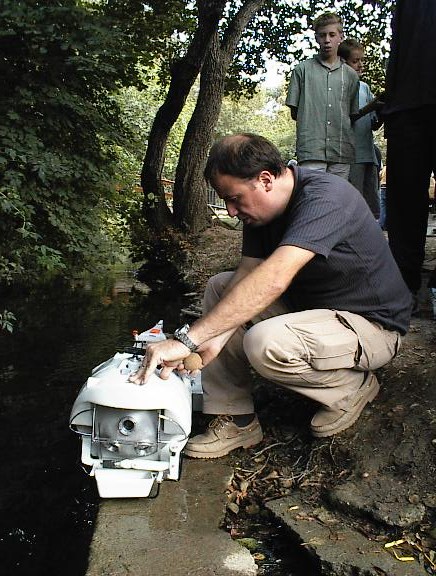
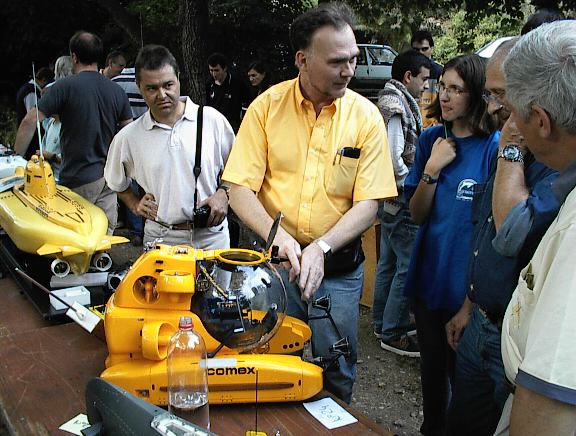
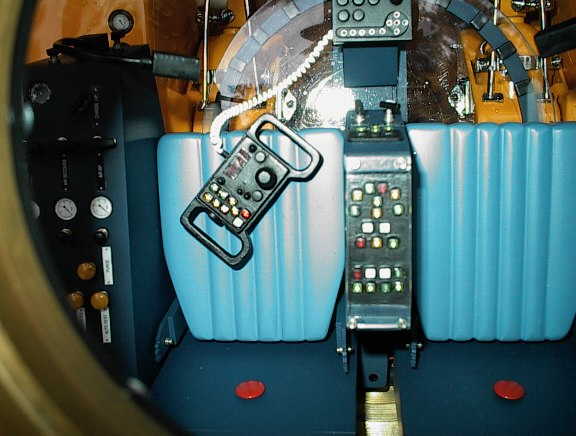
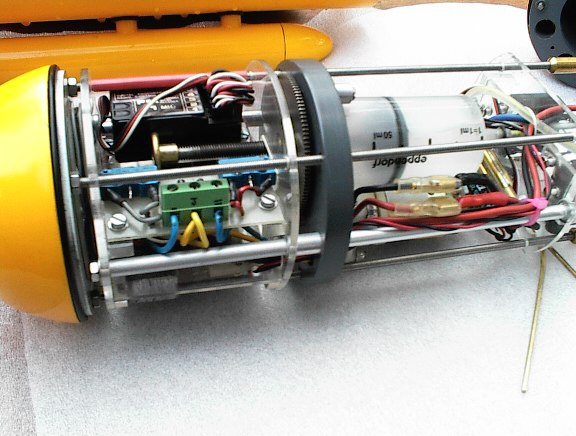
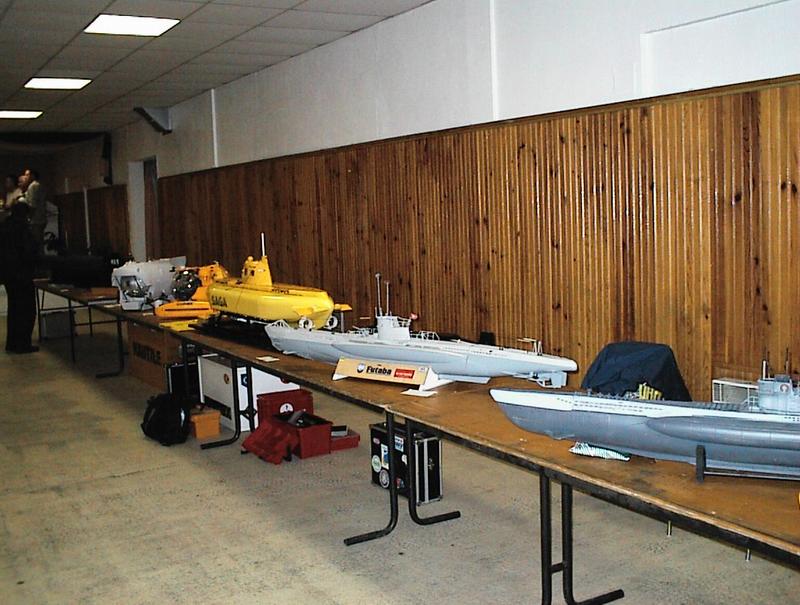
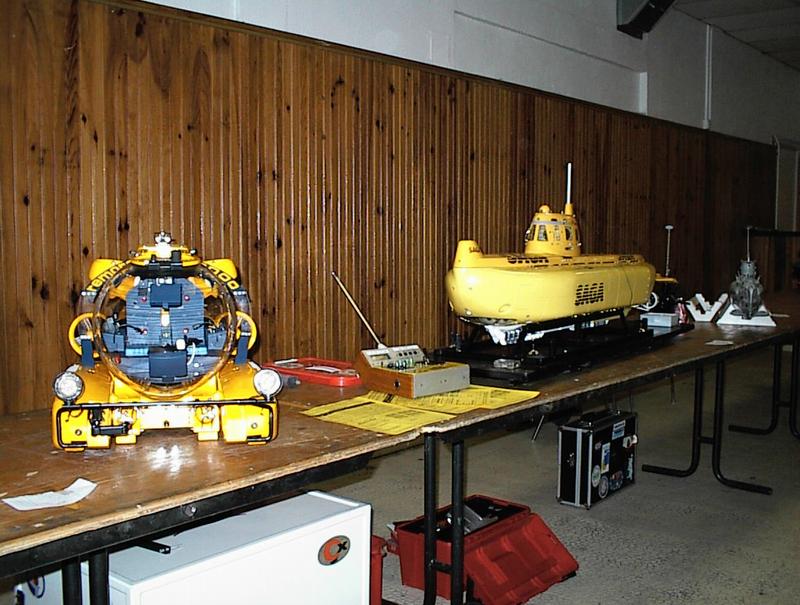
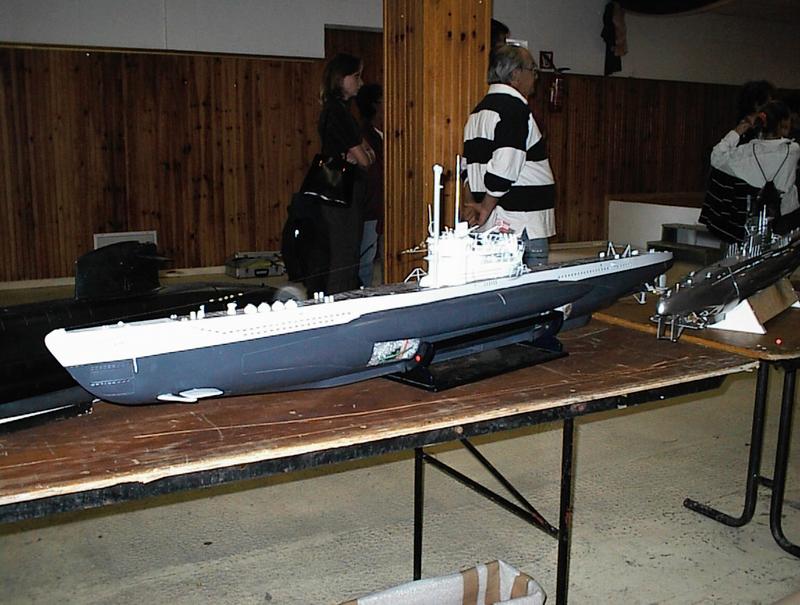
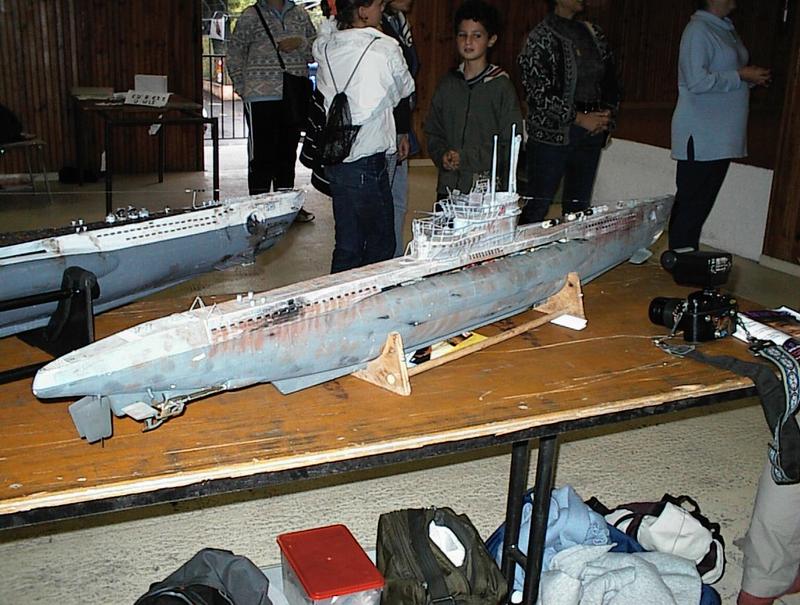
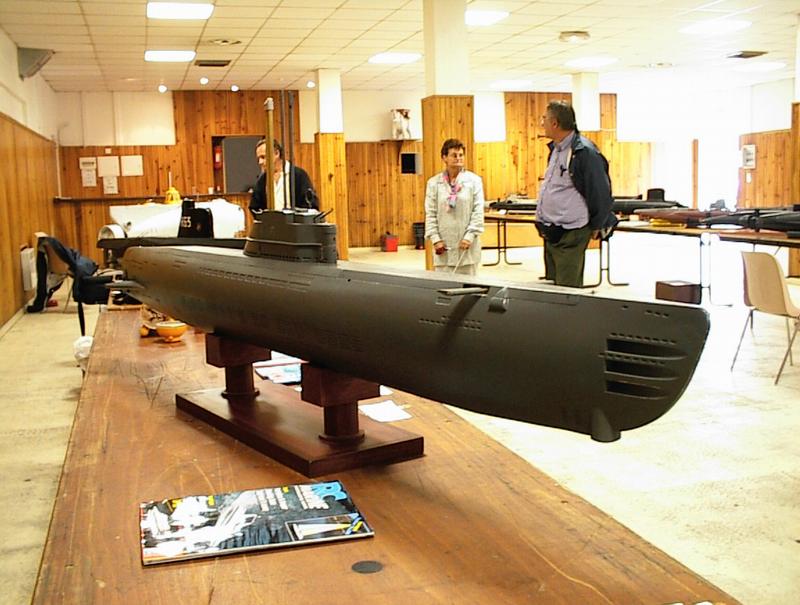
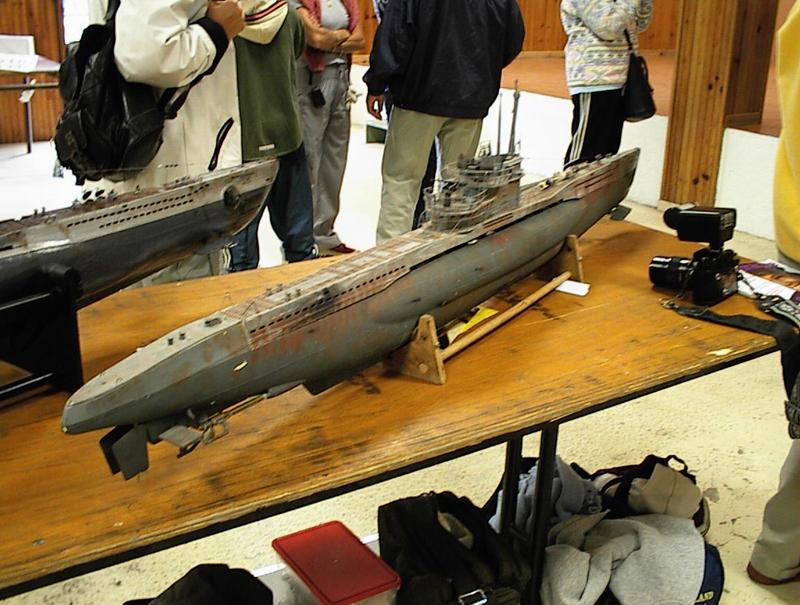
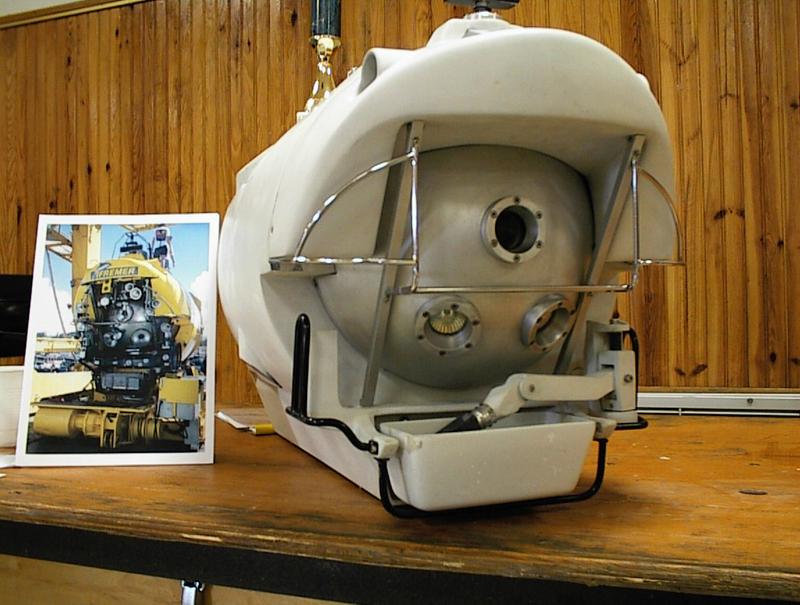
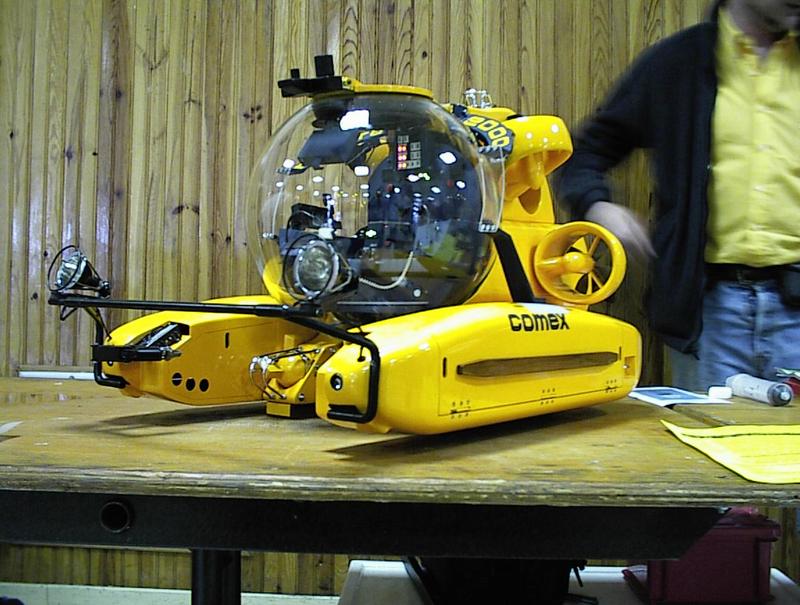
Rencontre de Sous-Marins RC de Pégomas, édition 2001
Cliquez pour agrandir les photos!
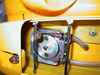
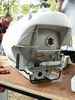


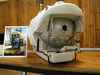
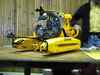

Cliquez pour agrandir les photos!
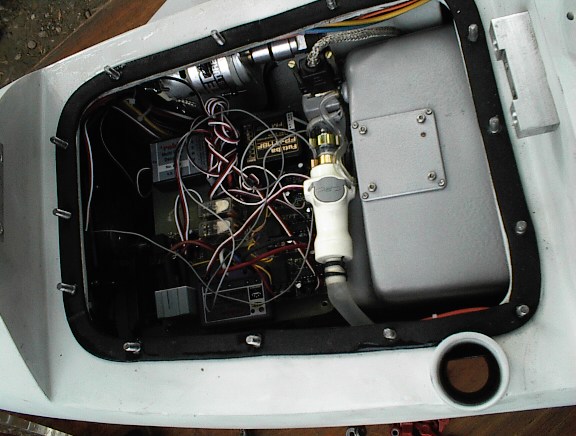




 Soyez le premier à ajouter un commentaire!
Posté le 23/09/2006 à 01:48
Pegomas 2000
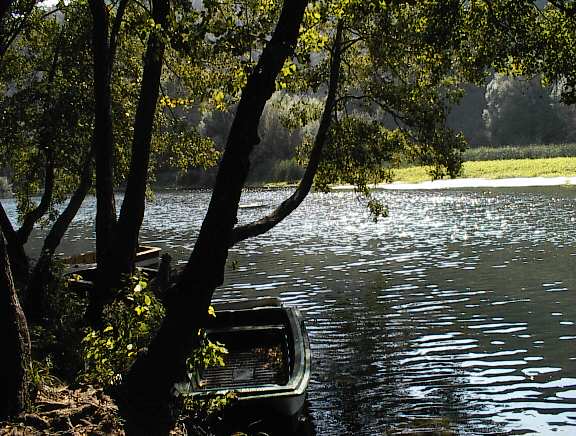
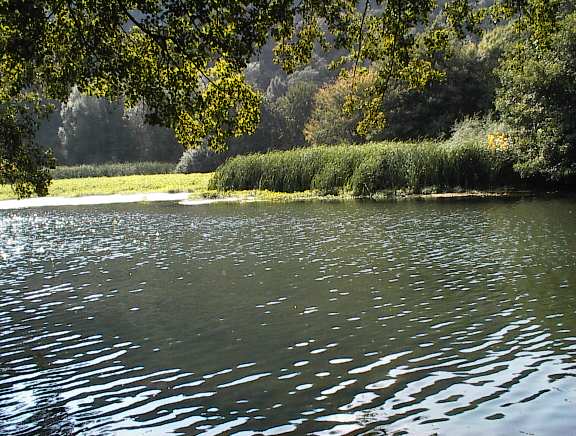
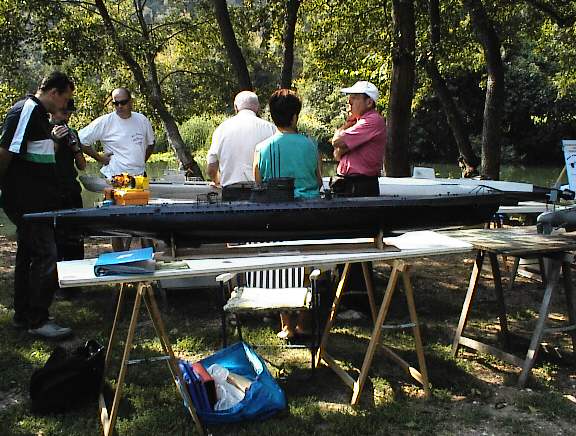
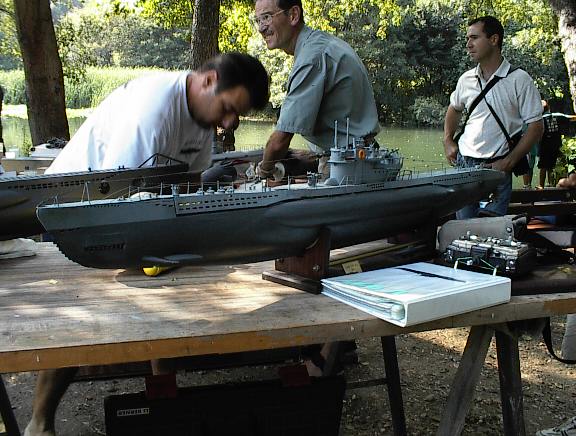
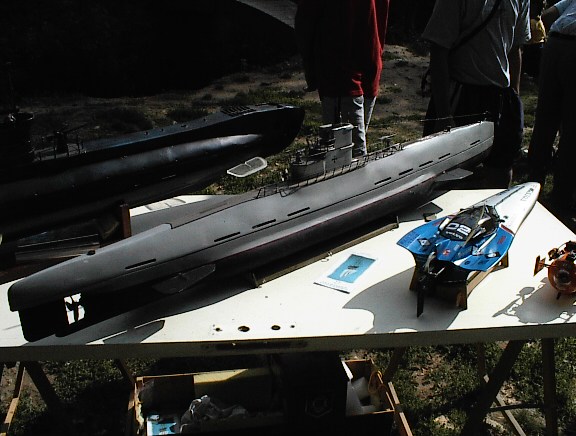
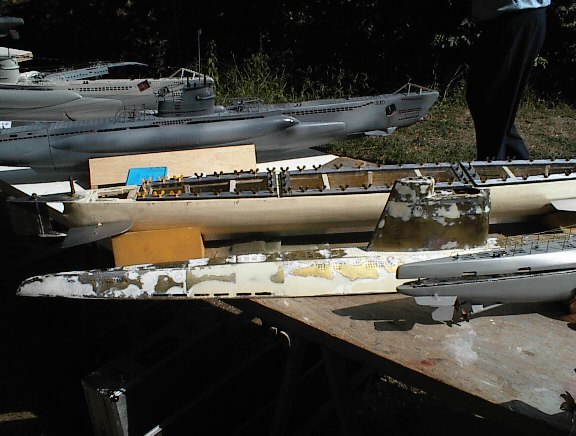
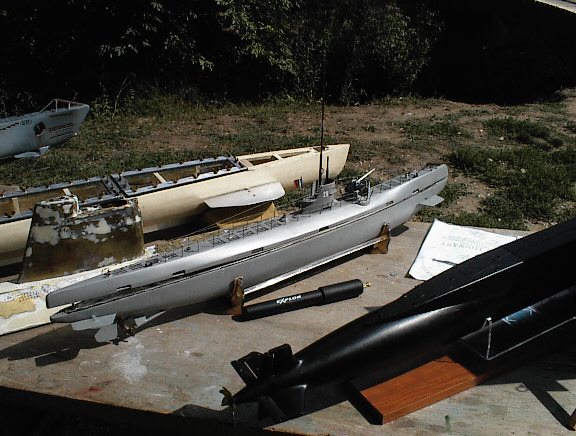
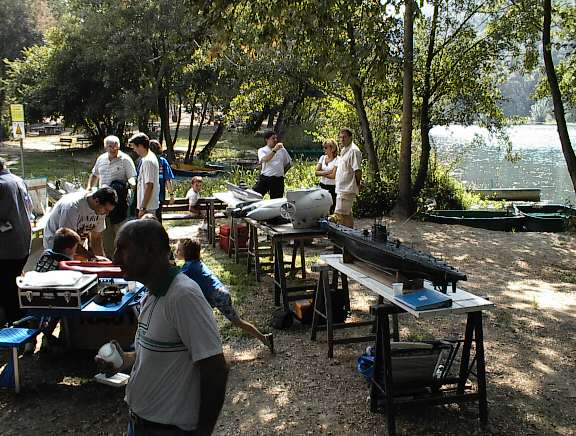
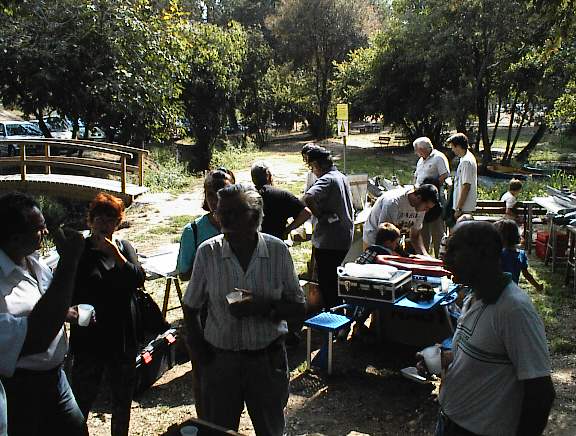
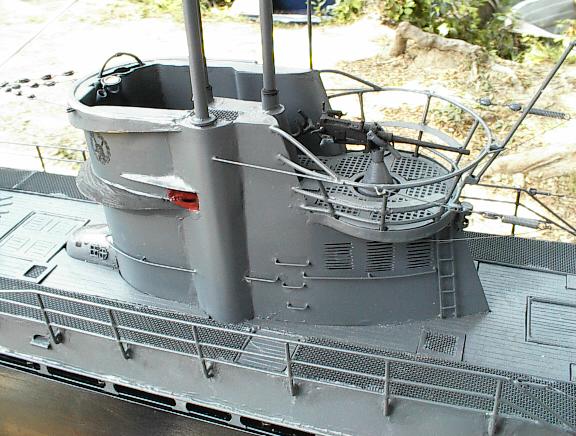
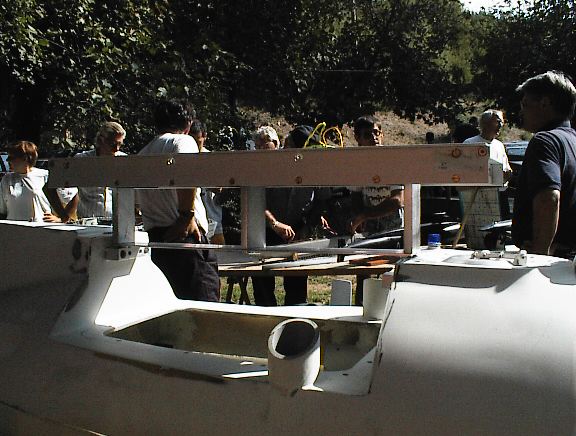
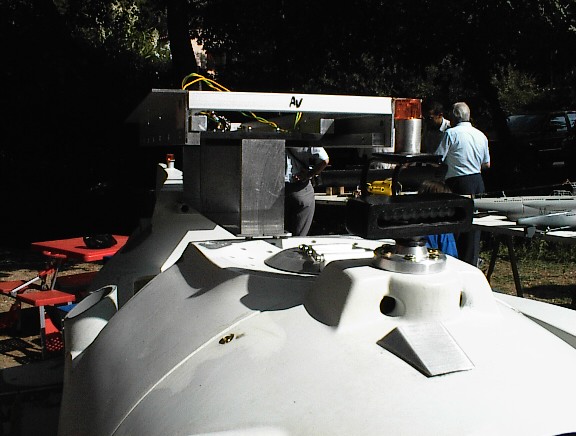
Rencontre de Sous-Marins RC de Pégomas, édition 2000, les 16 et 17 Septembre
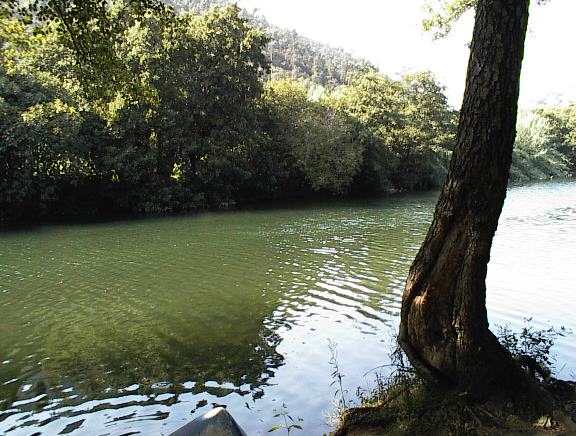
Tout s'est déroulé a Pégomas (Alpes Maritimes) dans un cadre magnifique!





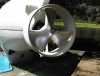
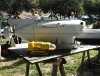
 Et voila! Le week-end et termine... On se voit la bas l’année prochaine?
Tout s'est déroulé a Pégomas (Alpes Maritimes) dans un cadre magnifique!







Posté le 23/09/2006 à 01:39
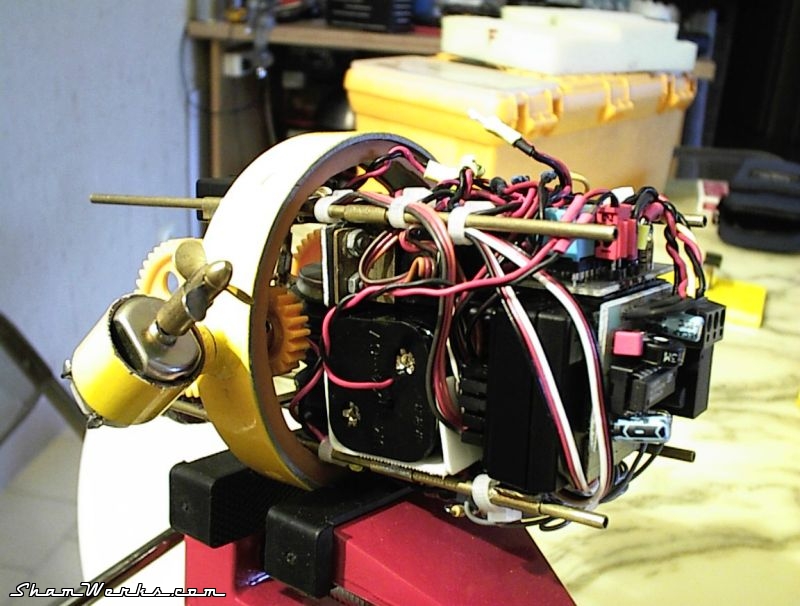
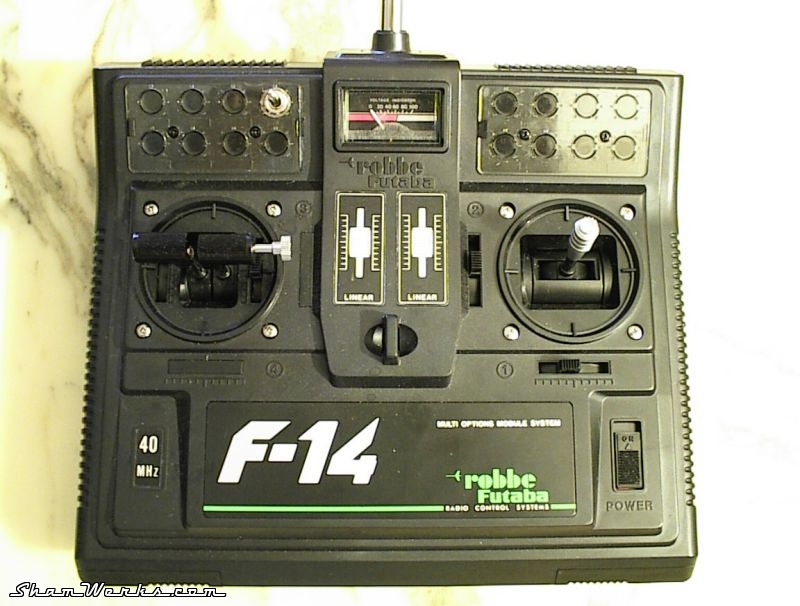
Electronique
 |
 |
 |
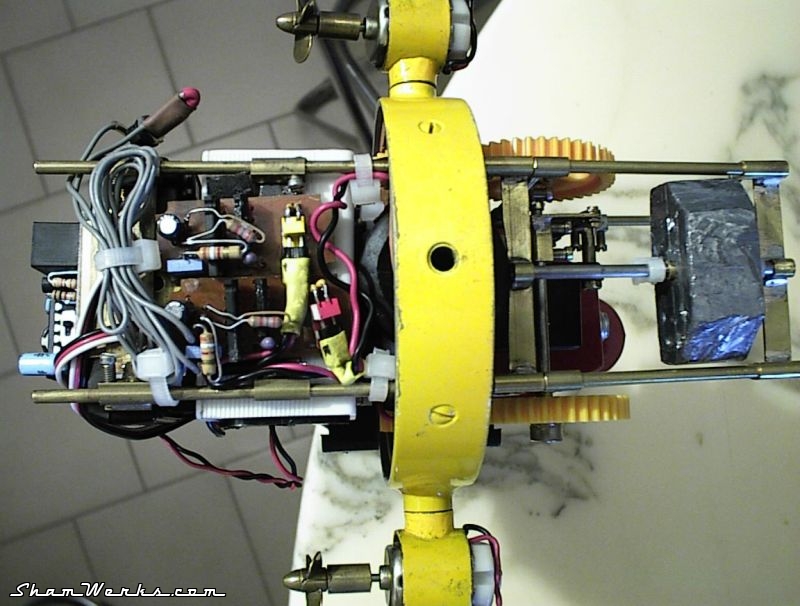 |
- Merci a Jean-Paul CHALET, du Club Miniflotte Rhone-Alpes, pour avoir inventé le sous-marin en bouteilles de camping-gaz (et non, ce n'est pas de moi!)
- Merci Jérôme pour les photos...
- Merci Nicolas pour les pièces usinées...
Posté le 23/09/2006 à 01:35
Mécanique
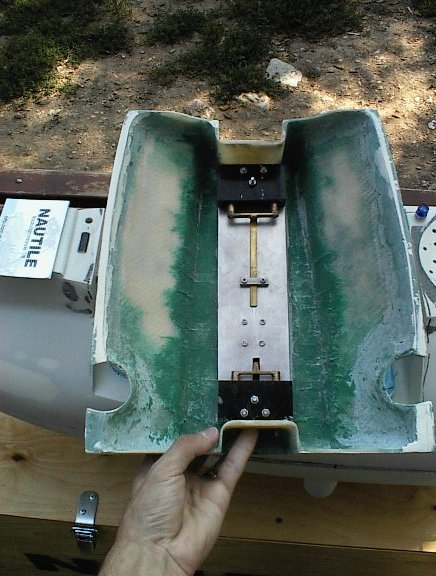
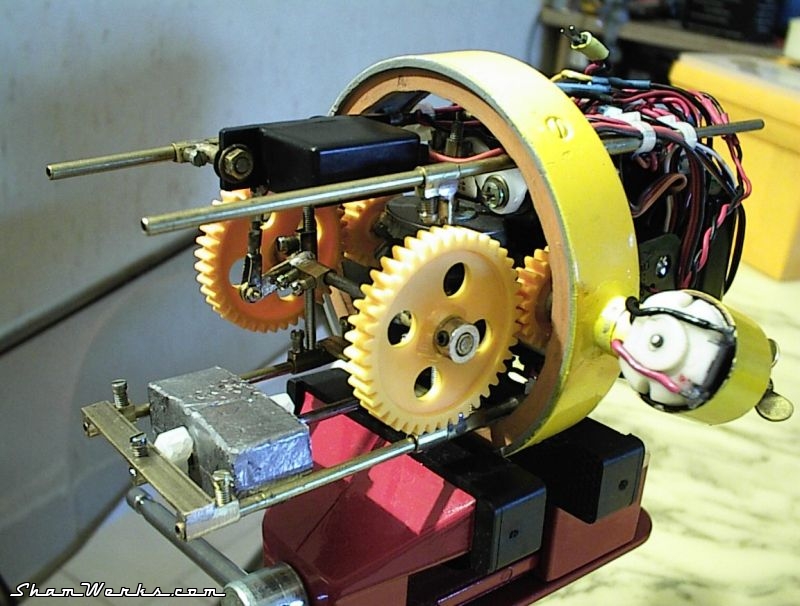
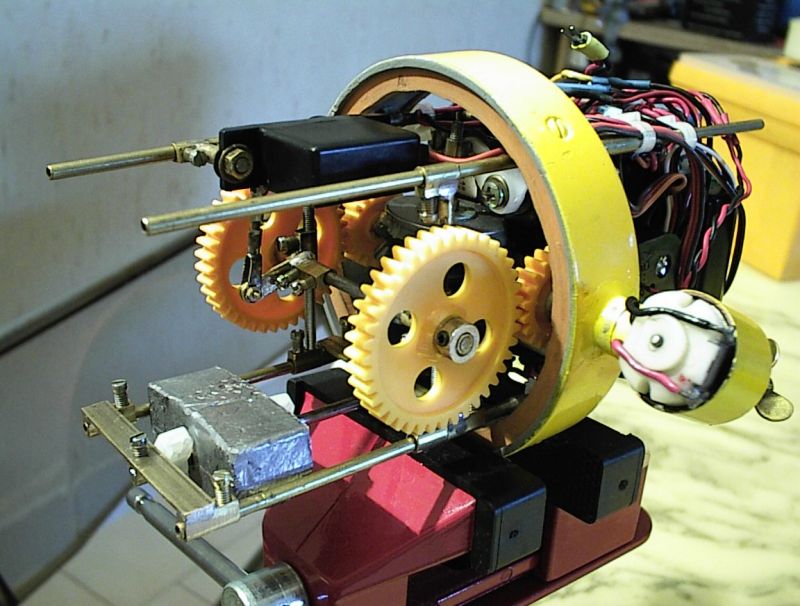
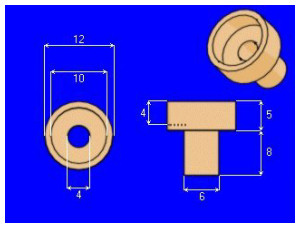
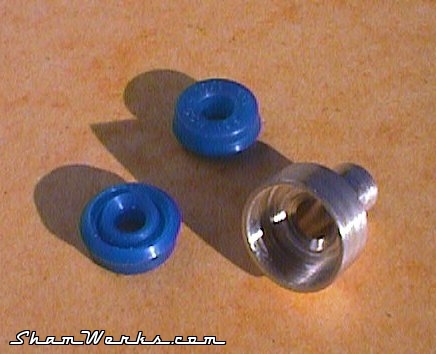
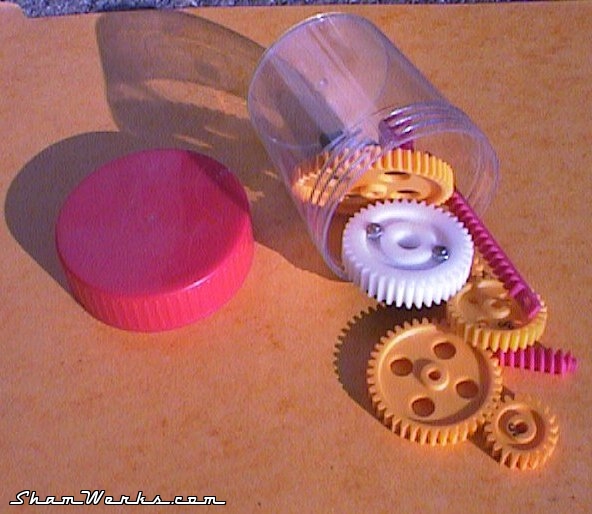
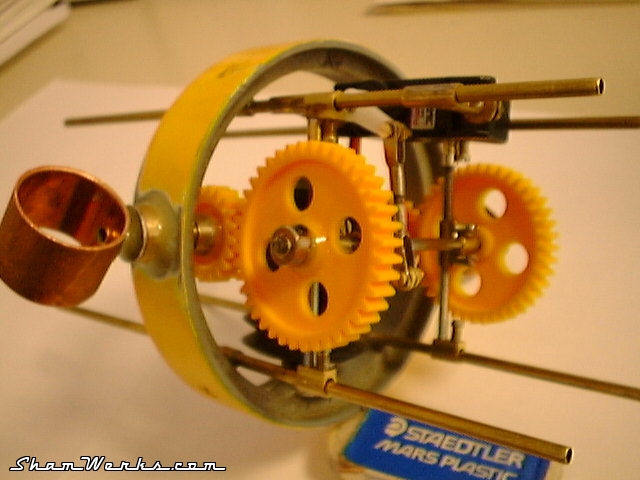
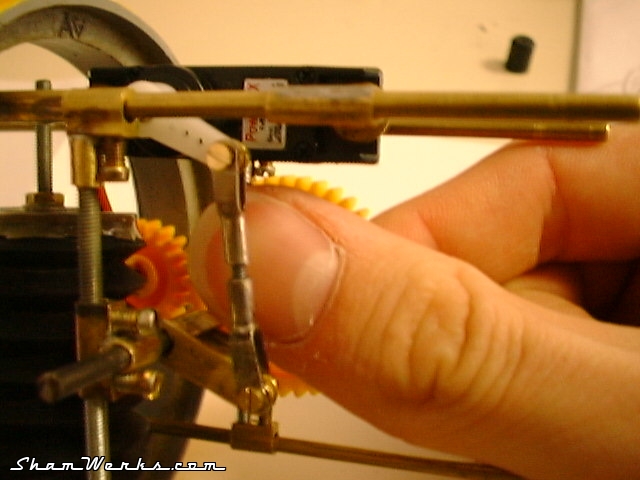
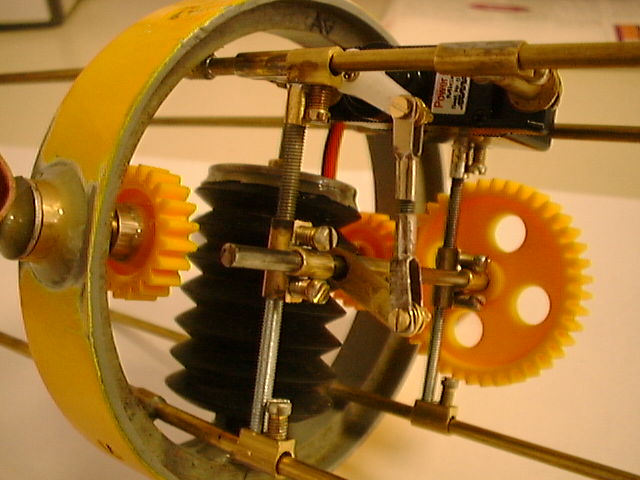
Nicolas "Always Higher" Petit m'a usiné les pièces nécessaires à l'orientation des moteurs, et en même temps m'a dégoté les joints 'U' qui vont bien...
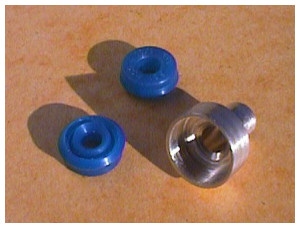
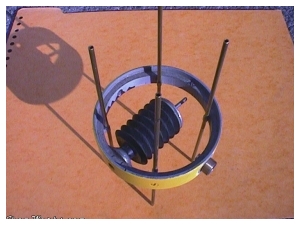
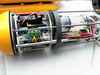
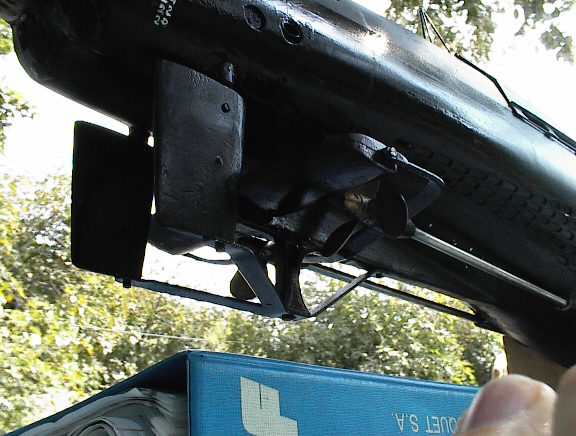
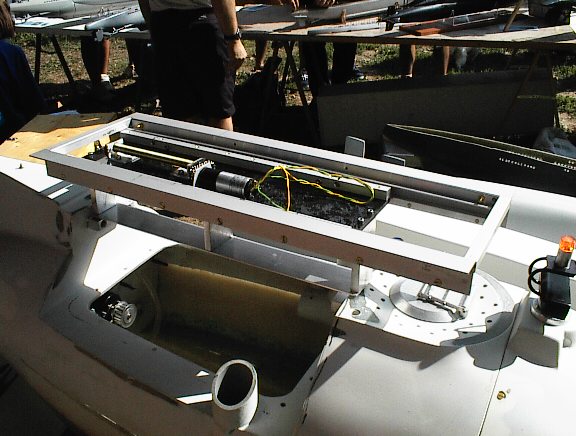
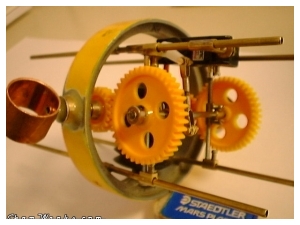
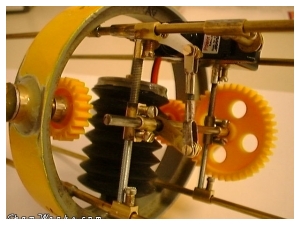
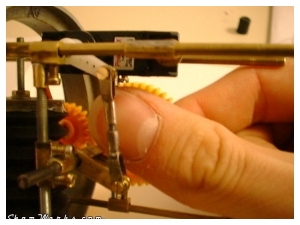
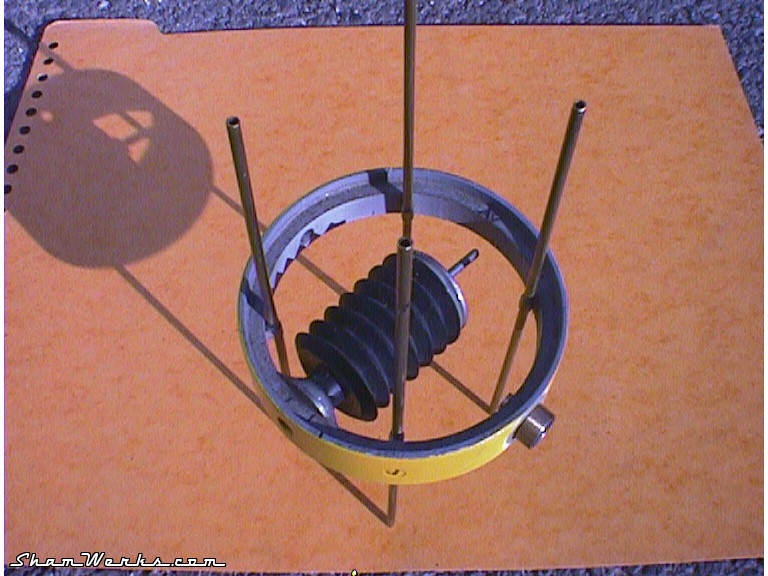
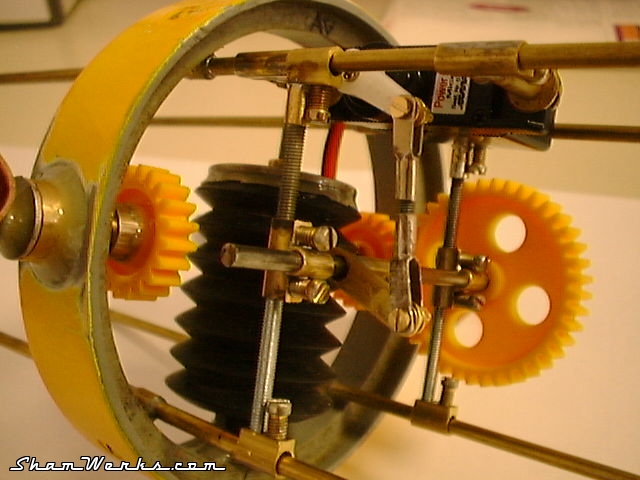
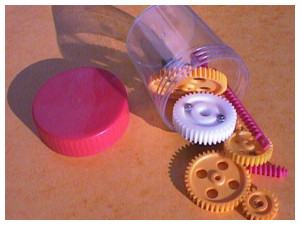 Le mécanisme d'orientation des blocs moteur (pour plongée dynamique) :
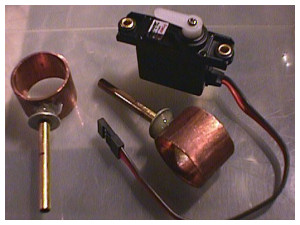


Posté le 23/09/2006 à 01:20
Présentation
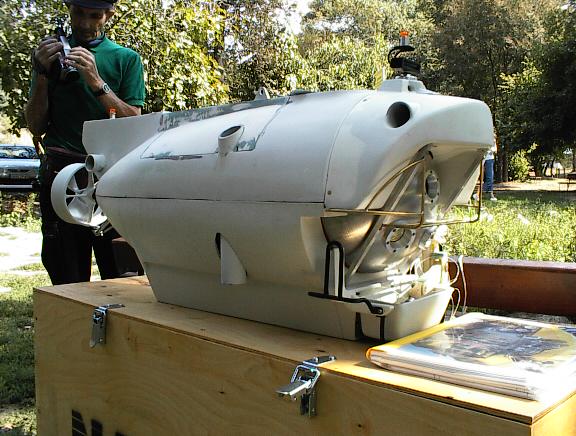
J'ai commencé la construction de ce modèle en 1994, il y a 13 ans! Il a beaucoup navigué, dans les basins de la Fac de Sciences, dans les meetings R/C, en piscine, en rivière... Et il continue!
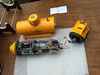
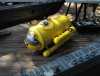
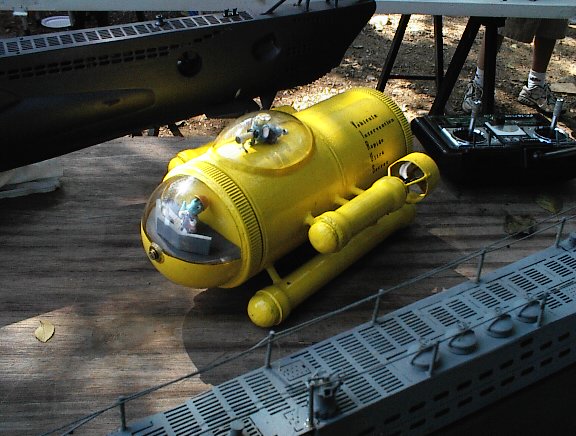
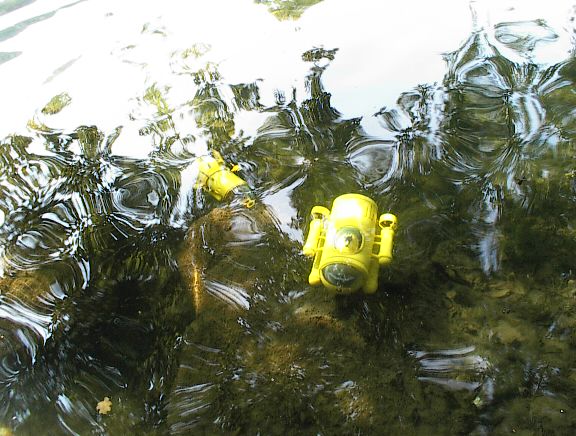
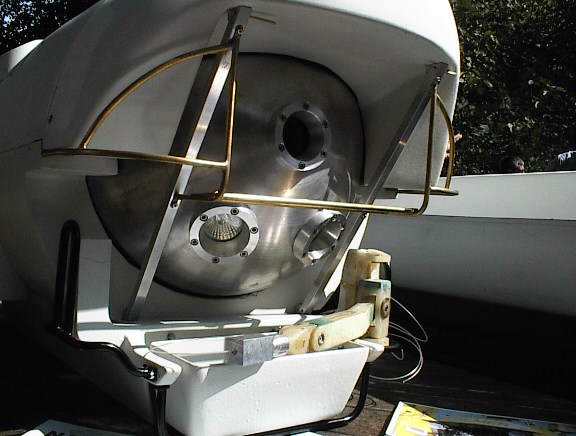
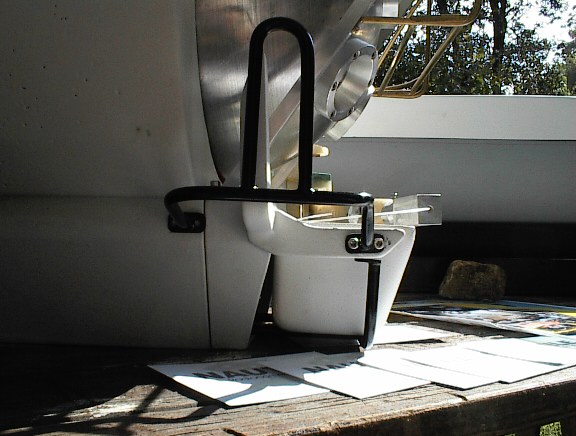
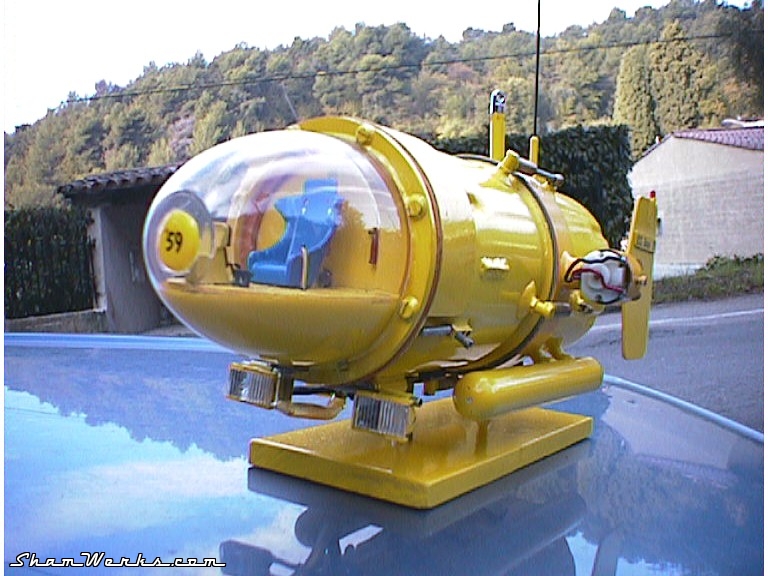
L'engin mesure environ 25cm de long. Les deux demi-coques ont été faites à partir de bouteilles de camping-gaz (vous savez, le petit modèle pour réchauffer le cassoulet sous la tente...).
La bulle à l'avant est issue de l'amputation sans anesthésie d'un lapin Kinder (celui qui est plein de petit œufs en chocolat pour Pâques!).
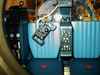
L'intérieur de cette bulle est aménagé avec des récupérations de maquettes plastique : siège baquet de BMW, tableau de bord d'hélicoptère Alouette II, inscriptions décalcomanies de Mirage...
Pour la plongée statique, il est muni d'un ballast : il s'agit d'un petit accordéon de plastique (comme ceux qui équipent les vélos des gamins, pour faire le klaxon!) sur lequel un servo moteur appuie. Cela permet d'aspirer plus ou moins d'eau de l'extérieur (jusqu'à 8 grammes!), et donc d'alourdir d'autant le sous-marin... Qui monte, ou descend en fonction...
Avantages: beaucoup plus simple à mettre en œuvre, et sur un modèle de cette taille, il n'aurait pas été jouable de les rendre étanches sans outillage spécifique : tour et fraiseuse...
Inconvénients: ils vieillissent vite, et il faut les changer tous les ans. => 4 soudures et 7 euros, et c'est reparti!
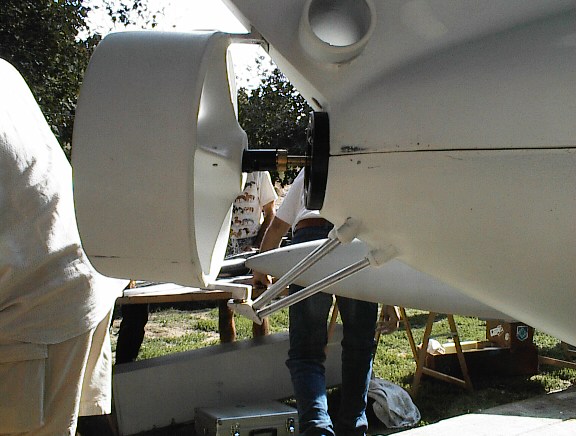
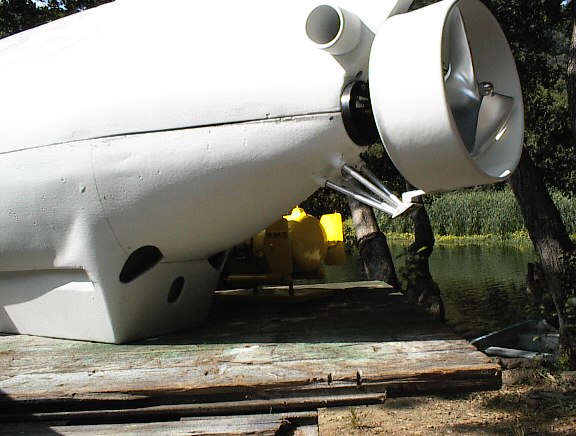
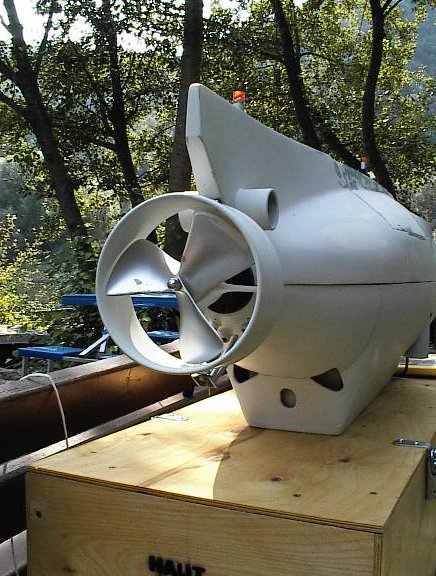
Pour tourner, j'inverse le sens de rotation d'un moteur, et l'engin tourne sur place comme un tank!
Les phares (fonctionnels) sont de la récupération sur des appareils photos jetables...
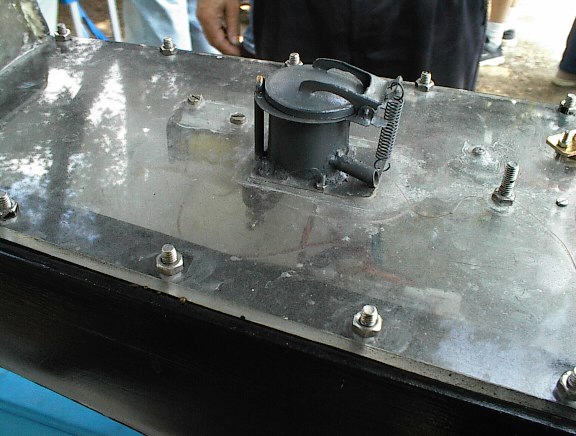
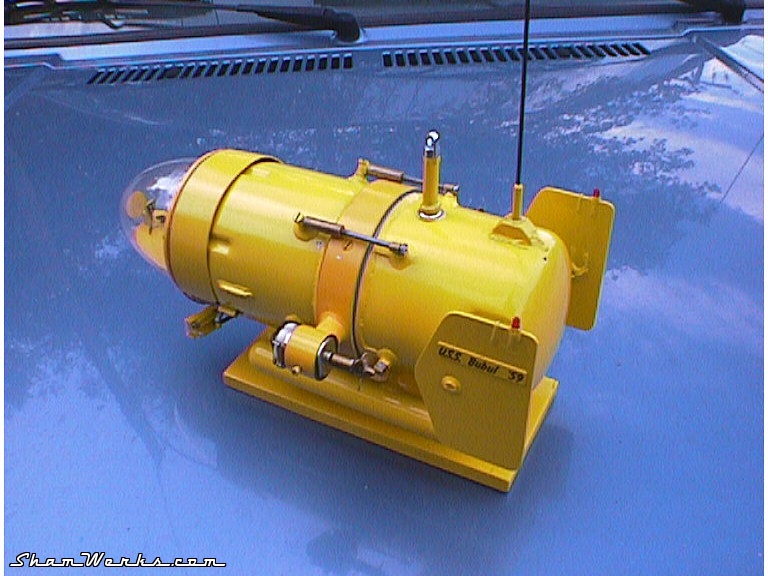
Le bout de tuyau que l'on voit entre les deux permet de mettre la bulle sous pression ("Il vaut mieux des bulles qui sortent que de l'eau qui rentre", c'est la règle!). En effet, toute la partie étanche est sous pression grâce à la valve de vélo (cachée par le machin chromé) placée en avant de l'antenne, sur le dessus...
Les LEDs sur les ailerons sont fonctionnelles, elles clignotent lorsque l'alimentation est activée.
Afin de l'activer, justement, on voit juste en arrière de la bulle, sur la demi-coque avant, une 'excroissance', qui contient une ampoule ILS (il y en a une autre sur l'autre coté du sous-marin).
Bref, pour allumer j'approche un aimant coté droit, pour éteindre, je l'approche coté gauche.
Un tel système est inévitable, pour ne pas avoir à tout ouvrir pour activer/couper la radio...
Les ailerons sont en époxy (la matière utilisée pour faire les circuits imprimés). Coté intérieur, je les ai gravés au perchlorure de fer pour faire les connections des LEDs...
Les patins sont faits à partir de tube en cuivre de plomberie. Les demi-boules à leur extrémités sont en SintoFer (pub gratuite), moulées dans un moule en plâtre (lui même fait grâce à une bille... Faut toujours garder ses jouets!). La demi-boule arrière peut s'ôter, en la dévissant et en tirant dessus, grâce à l'utilisation d'un caoutchouc (acheté chez Casto: c'est ceux utilisés pour fixer un abat-jour sur une bouteille...vu?)
L'engin mesure environ 25cm de long. Les deux demi-coques ont été faites à partir de bouteilles de camping-gaz (vous savez, le petit modèle pour réchauffer le cassoulet sous la tente...).
La bulle à l'avant est issue de l'amputation sans anesthésie d'un lapin Kinder (celui qui est plein de petit œufs en chocolat pour Pâques!).
L'intérieur de cette bulle est aménagé avec des récupérations de maquettes plastique : siège baquet de BMW, tableau de bord d'hélicoptère Alouette II, inscriptions décalcomanies de Mirage...
La plongée :
Mon modèle utilise à la fois la plongée statique et la plongée dynamique.Pour la plongée statique, il est muni d'un ballast : il s'agit d'un petit accordéon de plastique (comme ceux qui équipent les vélos des gamins, pour faire le klaxon!) sur lequel un servo moteur appuie. Cela permet d'aspirer plus ou moins d'eau de l'extérieur (jusqu'à 8 grammes!), et donc d'alourdir d'autant le sous-marin... Qui monte, ou descend en fonction...
Les moteurs:
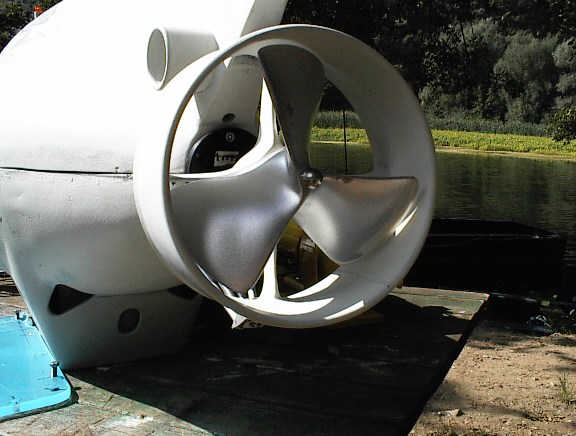
Comme vous allez le voir sur les photos qui suivent, ils tournent librement dans l'eau!Avantages: beaucoup plus simple à mettre en œuvre, et sur un modèle de cette taille, il n'aurait pas été jouable de les rendre étanches sans outillage spécifique : tour et fraiseuse...
Inconvénients: ils vieillissent vite, et il faut les changer tous les ans. => 4 soudures et 7 euros, et c'est reparti!
Pour tourner, j'inverse le sens de rotation d'un moteur, et l'engin tourne sur place comme un tank!
Les phares (fonctionnels) sont de la récupération sur des appareils photos jetables...
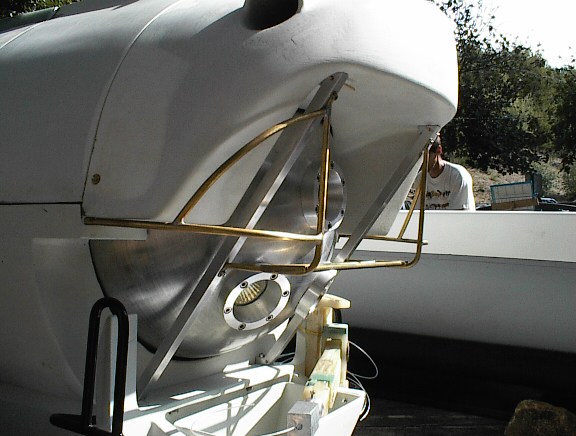
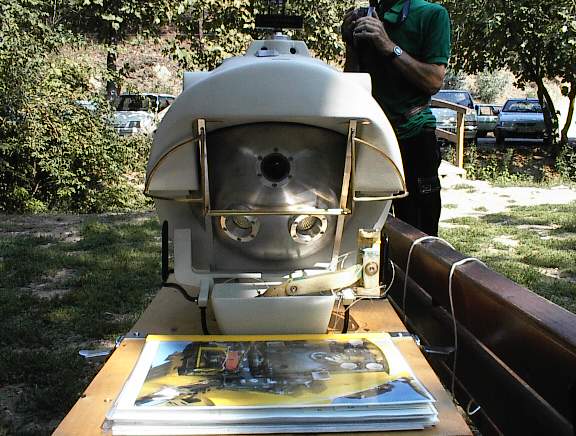
Le bout de tuyau que l'on voit entre les deux permet de mettre la bulle sous pression ("Il vaut mieux des bulles qui sortent que de l'eau qui rentre", c'est la règle!). En effet, toute la partie étanche est sous pression grâce à la valve de vélo (cachée par le machin chromé) placée en avant de l'antenne, sur le dessus...
 |
 |
 |
 |
Afin de l'activer, justement, on voit juste en arrière de la bulle, sur la demi-coque avant, une 'excroissance', qui contient une ampoule ILS (il y en a une autre sur l'autre coté du sous-marin).
Bref, pour allumer j'approche un aimant coté droit, pour éteindre, je l'approche coté gauche.
Un tel système est inévitable, pour ne pas avoir à tout ouvrir pour activer/couper la radio...
Les ailerons sont en époxy (la matière utilisée pour faire les circuits imprimés). Coté intérieur, je les ai gravés au perchlorure de fer pour faire les connections des LEDs...
Les patins sont faits à partir de tube en cuivre de plomberie. Les demi-boules à leur extrémités sont en SintoFer (pub gratuite), moulées dans un moule en plâtre (lui même fait grâce à une bille... Faut toujours garder ses jouets!). La demi-boule arrière peut s'ôter, en la dévissant et en tirant dessus, grâce à l'utilisation d'un caoutchouc (acheté chez Casto: c'est ceux utilisés pour fixer un abat-jour sur une bouteille...vu?)
Posté le 23/09/2006 à 01:14
Resultat
Premier essai
Le moteur cafouille, j'ai l'impression qu'il a trop d'essence... En plus, au bout de 500 mètres, le cable d'accélérateur casse!! Argh, je suis bon pour pousser l'engin jusque chez moi...Le câble d'accélérateur est lui aussi remplacé par un modèle téflonné... Le problème de suralimentation en carburant semble venir du pointeau qui ferme mal... Avec un peu de patience et de pâte a polir, j'ajuste le pointeau au mieux ; ça a l'air de le faire, je remonte le tout.
Deuxième essai
L'engin démarre a la première sollicitation. Plus de cafouillage... Je n'ose pas trop m'éloigner de chez moi, par peur de la panne... et finalement, tout va bien!! Bon, j'ai bien quelques gouttes d'essence qui fuient du robinet, et le cable de compteur de vitesse qui a rendu l'âme... Mais sinon, tout va bien, et je pars pour une virée d'une cinquantaine de kilomètres... Un pur plaisir!L'engin est relativement confortable (bon, au bout d'une heure de route en mauvais état, le confort devient très relatif!!! :-P ). Le sélecteur de vitesse est assez délicat à manier, mais on s'y fait assez vite (j'ai bien compris l'intérêt de l'indicateur de rapport maintenant!!). L'équilibre parait instable au départ, mais c'est une fausse impression donnée par la selle à ressort et les roues de grand diamètre...
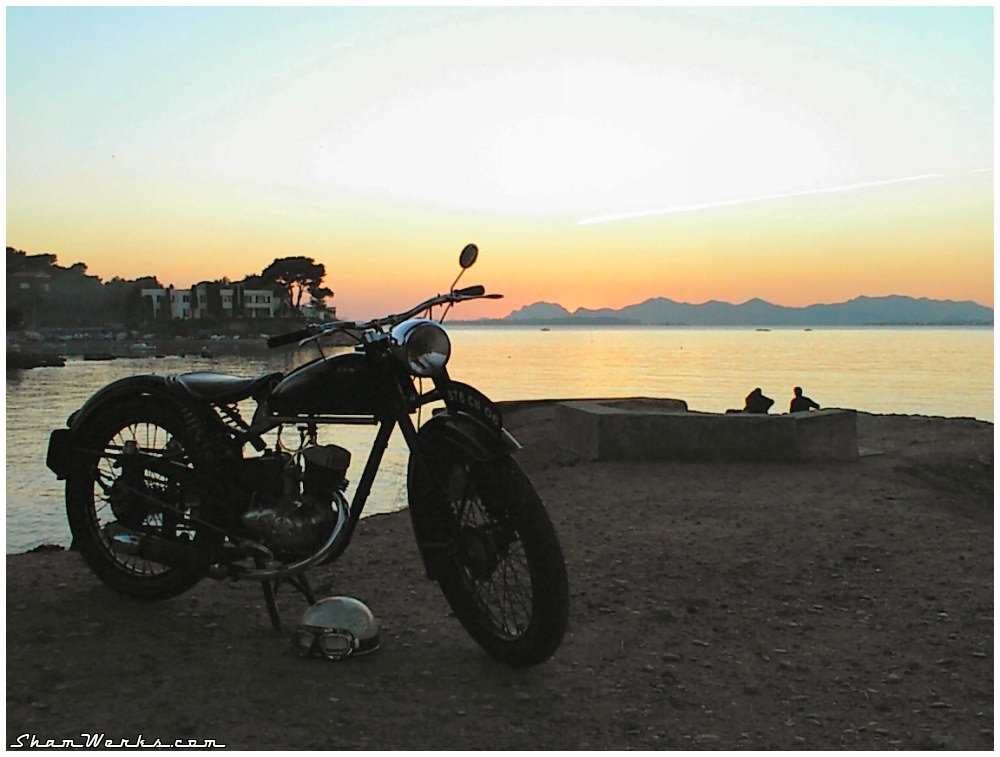
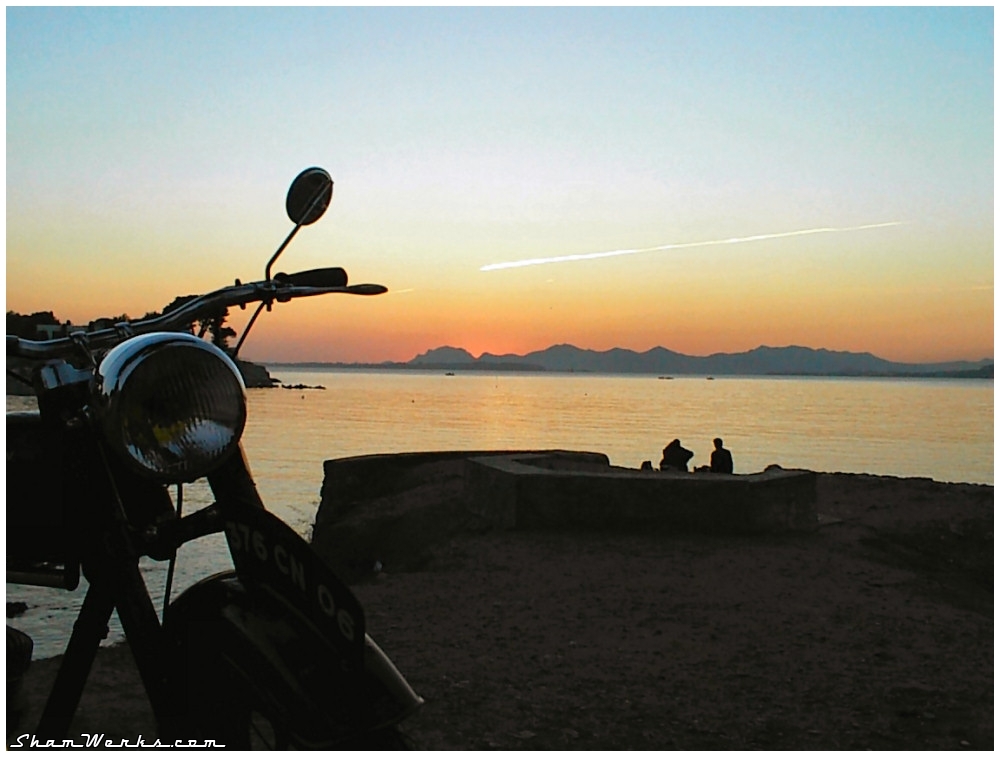
Bon, évidemment, ça ne roule pas bien vite : elle était donnée pour 75km/h à l'époque, et je ne pense pas avoir dépassé les 60 ou 65 km/h pour ma part... Cadence "balade" donc, mais quel bonheur!
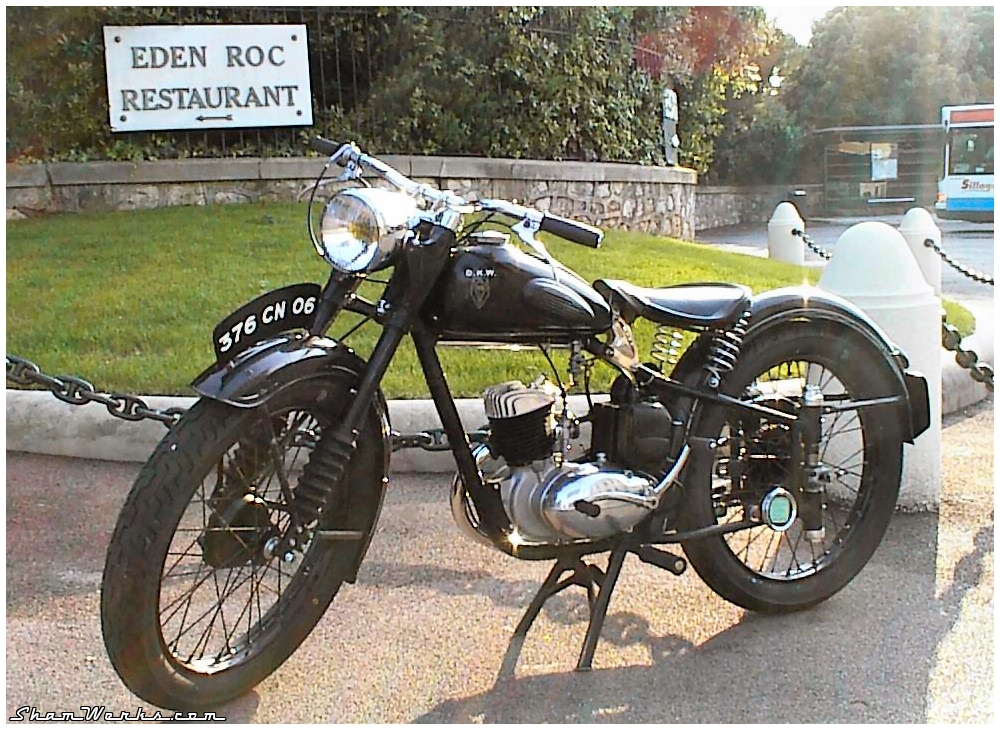
Et l'engin ne laisse pas indifférent : que les regards soient admiratifs, envieux, curieux, moqueurs ou carrément dédaigneux, tous se retournent vers elle quand elle passe!
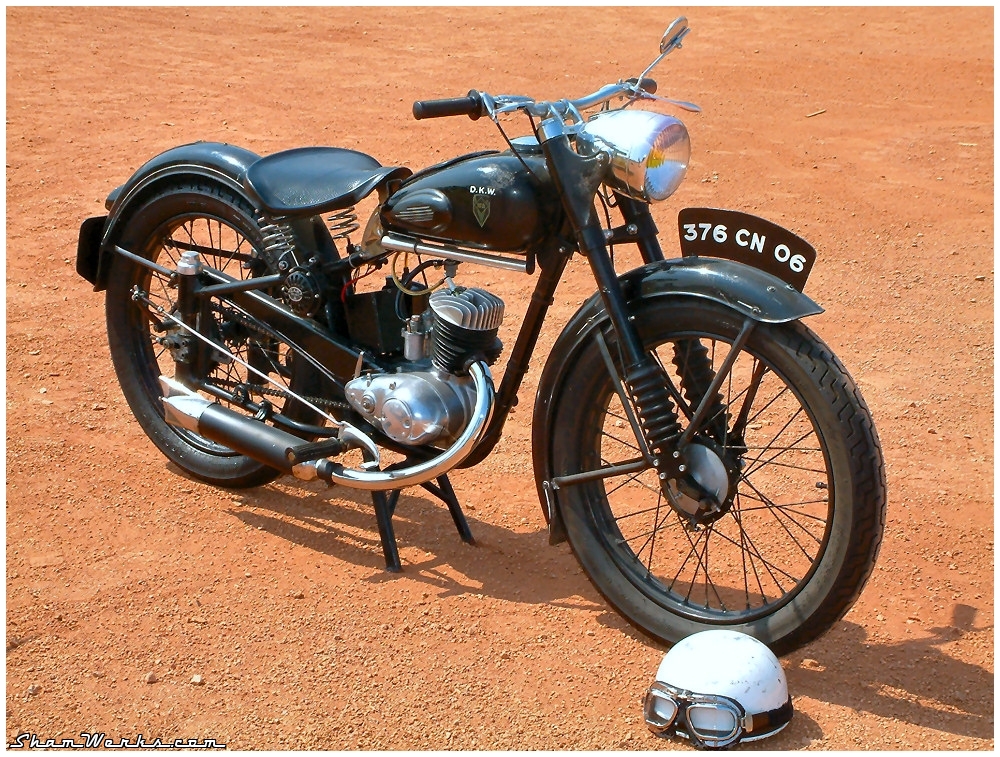
Et voila! Encore une qui a retrouvé l'asphalte... Elle méritera un jour une nouvelle peinture, mais pour le moment, je compte bien lui faire avaler quelques kilomètres!!!


Posté le 23/09/2006 à 01:11
Remise en route
Voila, les papiers sont en règle, la moto est officiellement a moi!
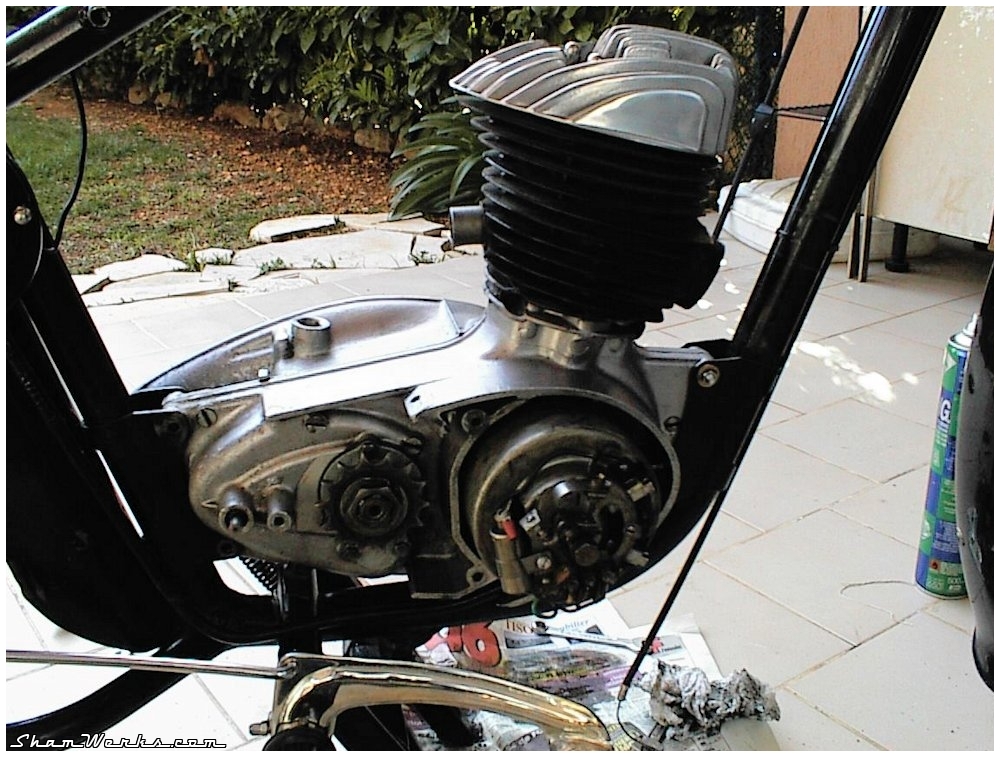
Je l'ai rapatriée dans un premier temps sur ma terrasse... Ma terrasse qui a déjà assisté à la restauration du moteur du Lambretta, alors elle n'est plus à ca près!
Bon, la prochaine fois, je penserais a vidanger la boite avant de démonter le carter gauche : ça m'évitera de finir avec un demi litre d'huile sur le carrelage...
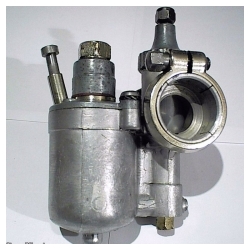
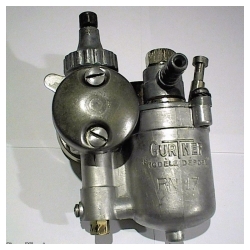
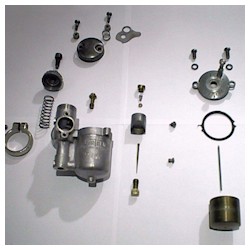
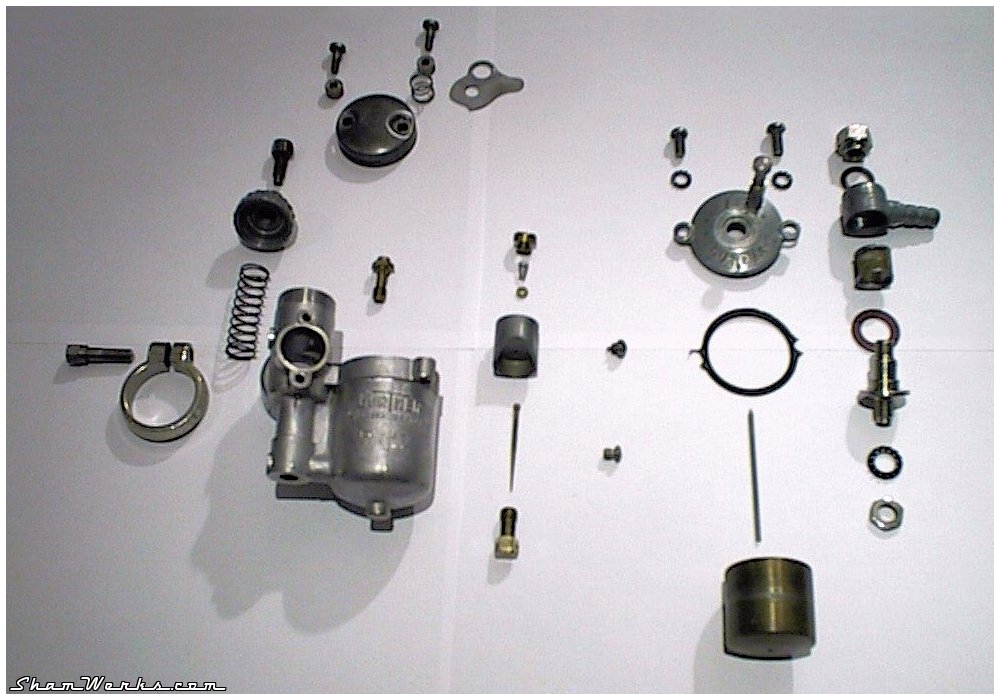
 Première étape, la réfection du carburateur.
C'est un Gurtner 17mm, finalement en très bon état. Un nettoyage en profondeur de chaque pièce aura suffit à lui redonner bonne mine...
C'est un carburateur assez rudimentaire, puisqu'il n'y a aucun réglage dessus!! Le starter est une languette métallique que l'on rabat sur l'entrée d'air, le seul réglage est la tension du cable, qui arrive directement sur le boisseau.
Un bouton poussoir sur le coté permet de forcer l'arrivée d'essence en appuyant sur le flotteur.
17mm pour un 125cc... Je ne m'attends pas a des reprises fulgurantes!!
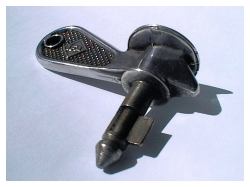
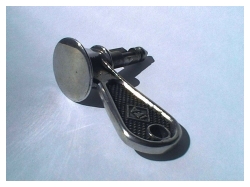
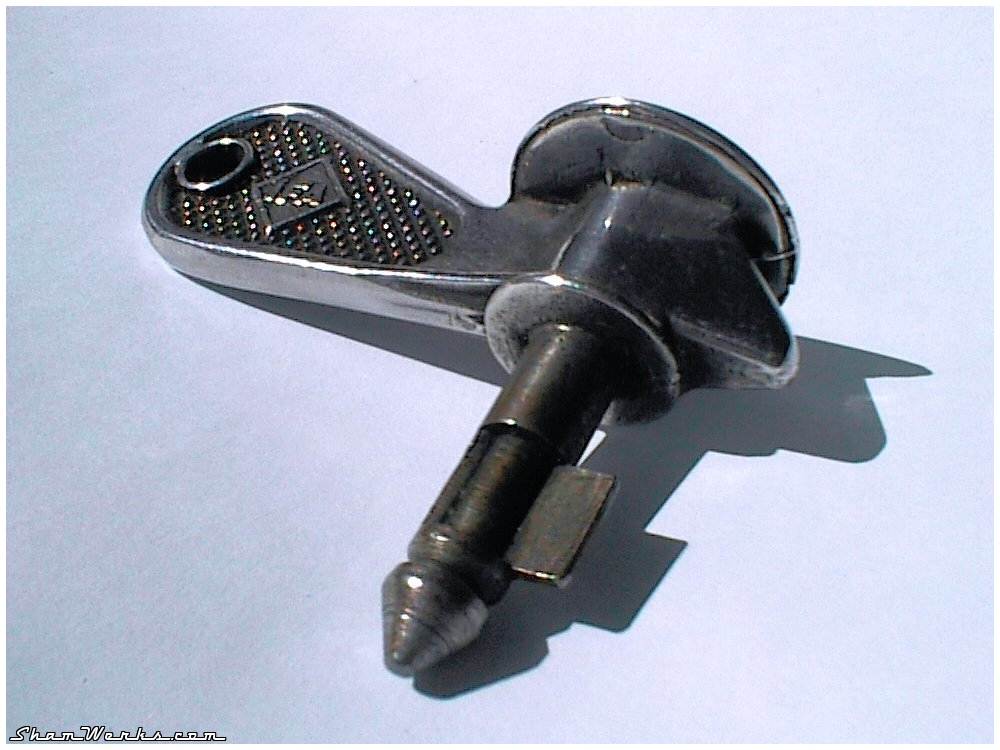
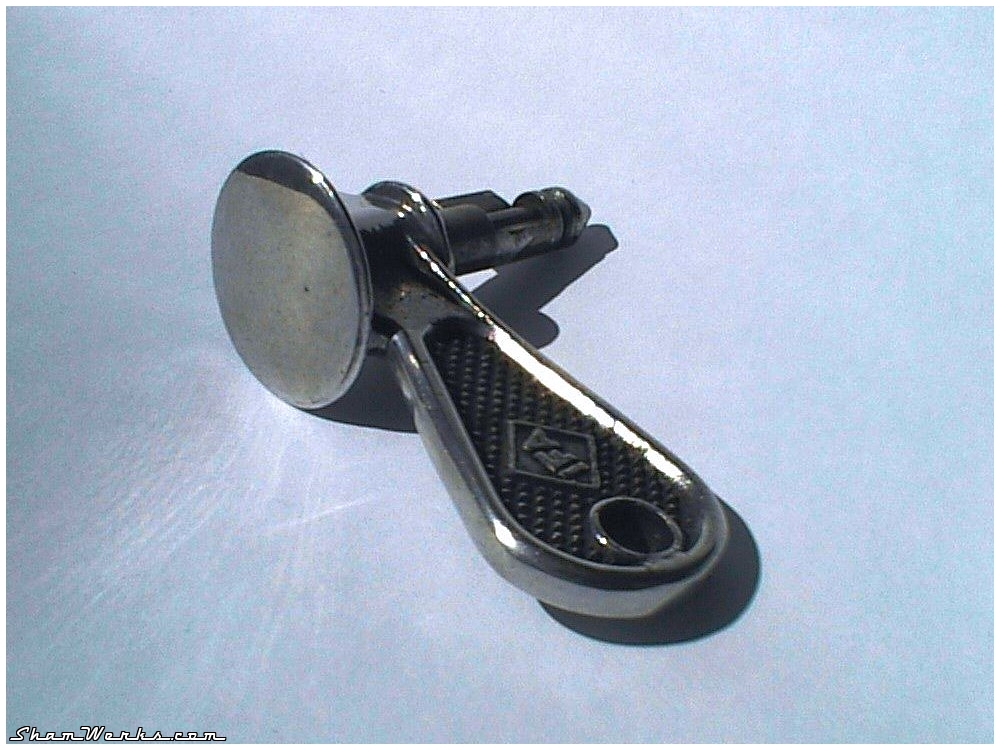
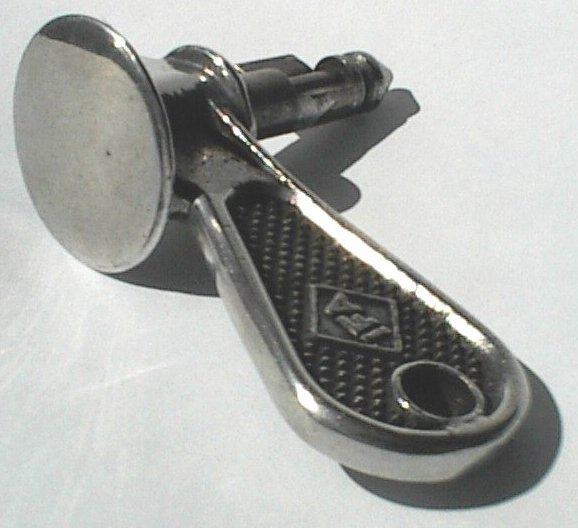
 La clef de contact vient dans le boitier qui se trouve sur le carter, à l'aplomb de la selle. Elle a 6 positions différentes :
Moi je suis impressionné... Tant de petits perfectionnements sur un engin de 1954...
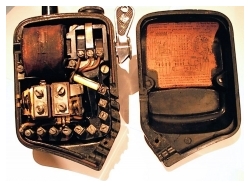 Le boitier électrique à cœur ouvert : de marque "I.K.A", il contient encore le diagramme électrique dans son couvercle... Diagramme encore et toujours en Allemand, grrr!!!
On voit la clef insérée a droite du boitier... Celui ici contient le contacteur à clef (en haut à droite), la bobine haute tension (en haut à gauche), et un relais (en bas a gauche), dont le rôle semble être de redresser la tension alternative délivrée par l'alternateur.
Sur le dessus à gauche, on a la sortie HT (vers la bougie) et a droite un témoin de charge. Il doit s'éteindre dès que le moteur fonctionne.
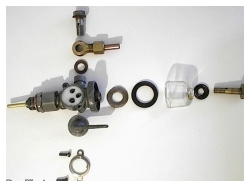
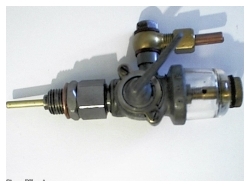
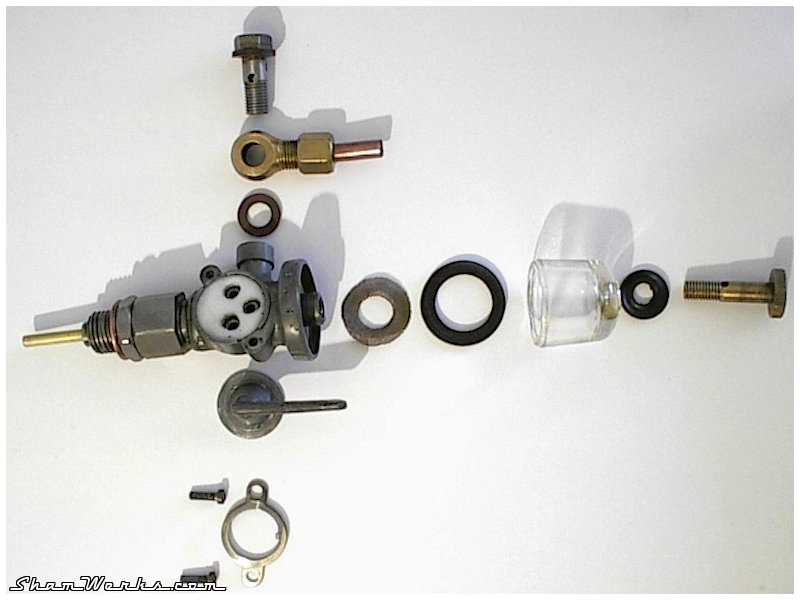
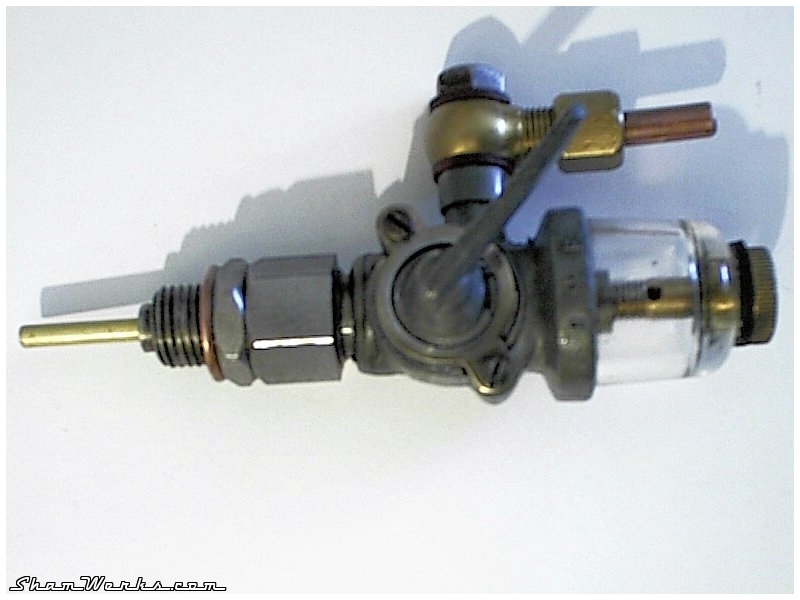
Ensuite, nettoyage en profondeur du robinet d'essence... Difficile de le rendre étanche celui la...
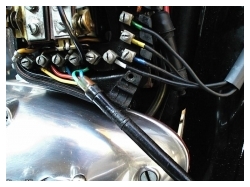
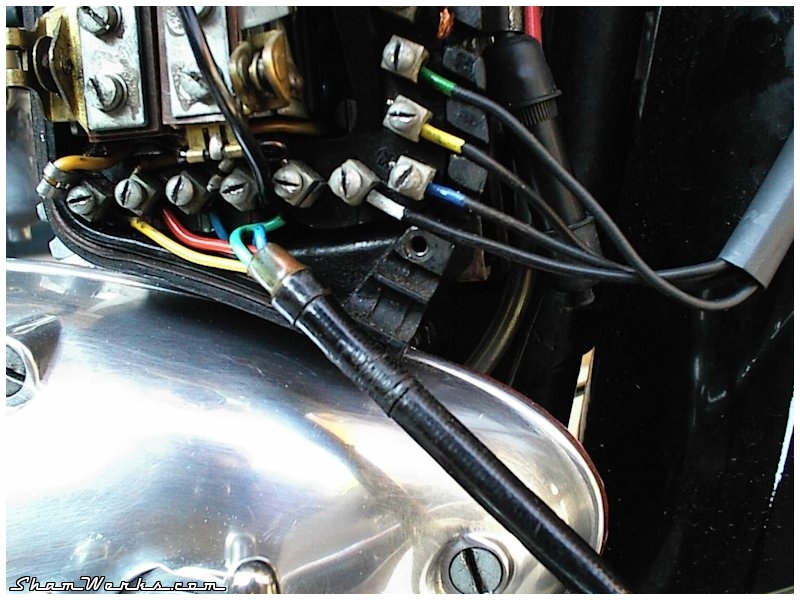
Et puis un petit "truc" esthétique... Comme les câbles sont apparents sur le cadre, j'ai fait le circuit électrique en noir uniquement... Mais pour s'y retrouver quand les fils arrivent au boitier...à l'aide !!!
Alors j'ai juste peint (peinture à maquettes) le dernier centimètre de chaque fil d'une couleur différente, en repérant tout sur un schéma que je garde précieusement! L'esthétique n'en souffre pas puisque les touches de peintures sont masquées par le couvercle du boitier électrique...
 Le démontage continue!
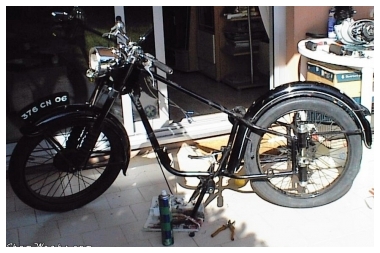
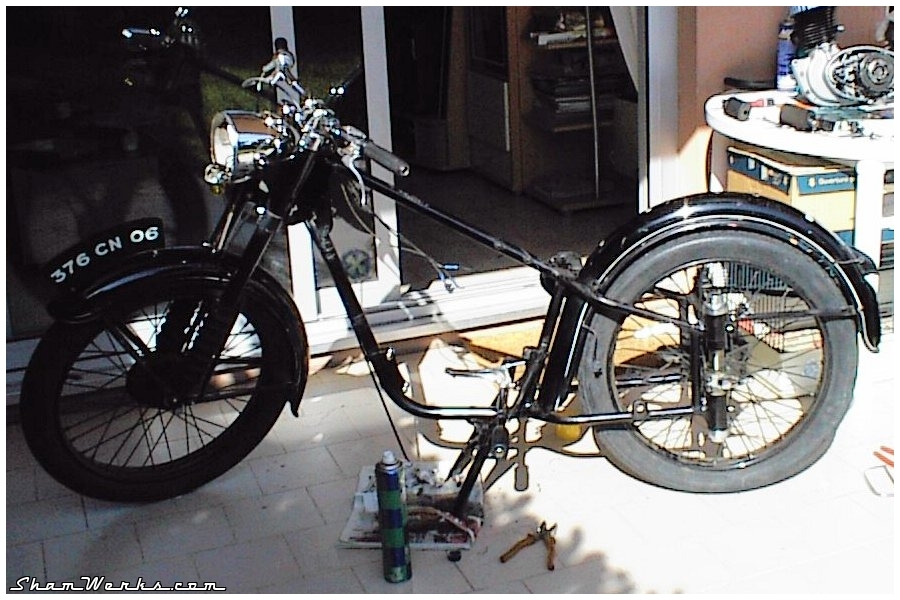
A gauche le cadre est encore sur ses roues, mais le moteur est déposé sur la table au second plan...
A droite, le cadre entièrement décrassé, le moteur ayant réintégré sa place originelle, mais les roues ont disparu...
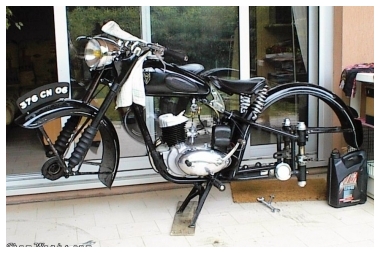 La dernière ligne droite!!
Les pneus seront finalement plus difficiles à trouver que je ne le croyais, ce qui m'a fait prendre du retard... En effets, les montes en 19 pouces, ça ne court plus les rues!!
Finalement, ce sera des Dunlop 'made in Japan' en 3.00 X 19" (ref. D404F) qui seront montés, avec pour principal inconvénient d'être légèrement plus haut que les gommes d'origine. Cela m'obligera à fabriquer deux pattes en aluminium pour rehausser le garde-boue avant de 25mm, sinon cela ne passait pas...
A l'origine, il y avait un petit boitier pour la batterie... Malheureusement, je n'ai pas ce boitier, donc j'en ai fabrique un en contre-plaqué. Ben oui, je sais, du bois, ça se fait pas, mais bon, j'avais hate de pouvoir rouler, et finalement, le résultat n'est pas vilain, avec 2 couches de laque noire (voir 3e photo)...
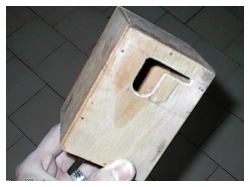
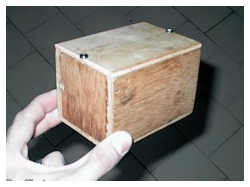
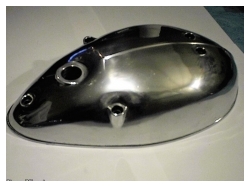
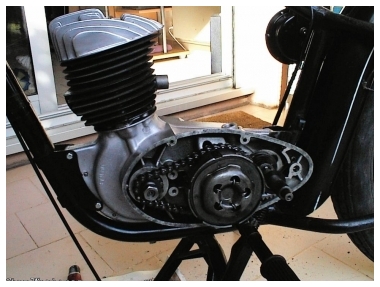
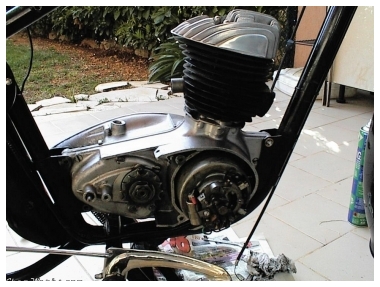
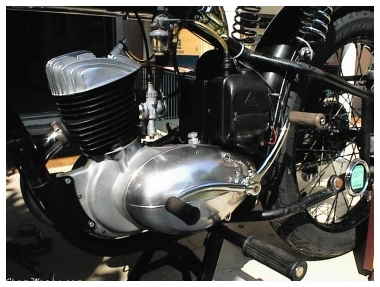
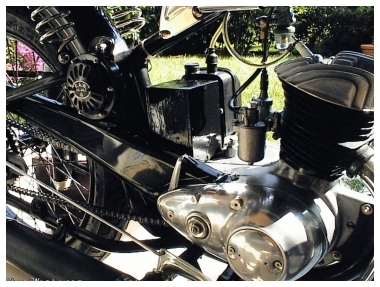 Ca y est, l'heure est venue de faire le premier test routier!! J'ai changé le cable d'embrayage par un modèle au Téflon© (voir chez Decathlon rayon VTT). C'est beaucoup plus souple d'utilisation, ça se monte sans graisse... Que du bonheur!!
La chaîne a été changée au profit d'une neuve. J'ai même réussi a faire fonctionner le klaxon au bout d'une quinzaine de démontage/remontage!!
Je l'ai rapatriée dans un premier temps sur ma terrasse... Ma terrasse qui a déjà assisté à la restauration du moteur du Lambretta, alors elle n'est plus à ca près!
Bon, la prochaine fois, je penserais a vidanger la boite avant de démonter le carter gauche : ça m'évitera de finir avec un demi litre d'huile sur le carrelage...
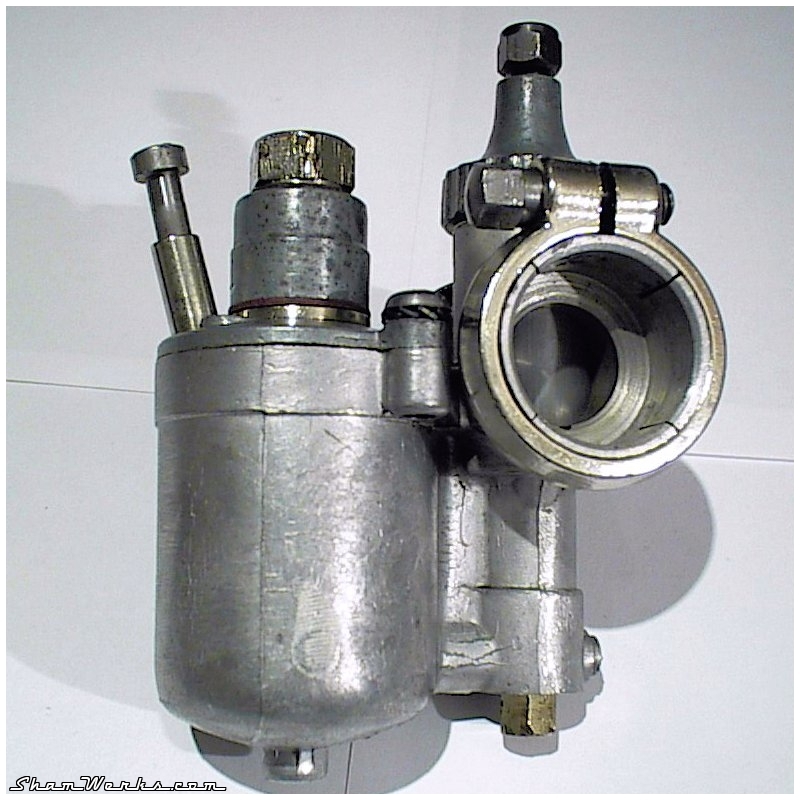
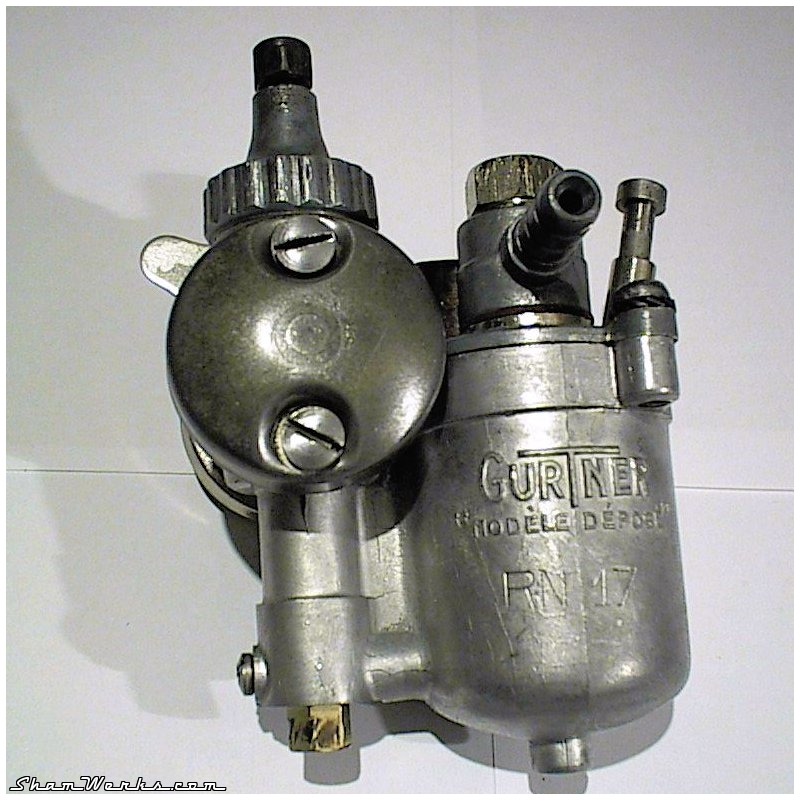
C'est un Gurtner 17mm, finalement en très bon état. Un nettoyage en profondeur de chaque pièce aura suffit à lui redonner bonne mine...
C'est un carburateur assez rudimentaire, puisqu'il n'y a aucun réglage dessus!! Le starter est une languette métallique que l'on rabat sur l'entrée d'air, le seul réglage est la tension du cable, qui arrive directement sur le boisseau.
Un bouton poussoir sur le coté permet de forcer l'arrivée d'essence en appuyant sur le flotteur.
17mm pour un 125cc... Je ne m'attends pas a des reprises fulgurantes!!
- Moteur arrêté, de jour
- Moteur arrêté, de nuit (veilleuses allumées grâce à la batterie pour être reperé)
- Moteur en route, de jour
- Moteur en route de nuit (veilleuses seulement)
- Moteur en route de nuit (phares)
- Démarrage batterie à plat ou sans batterie.
Moi je suis impressionné... Tant de petits perfectionnements sur un engin de 1954...
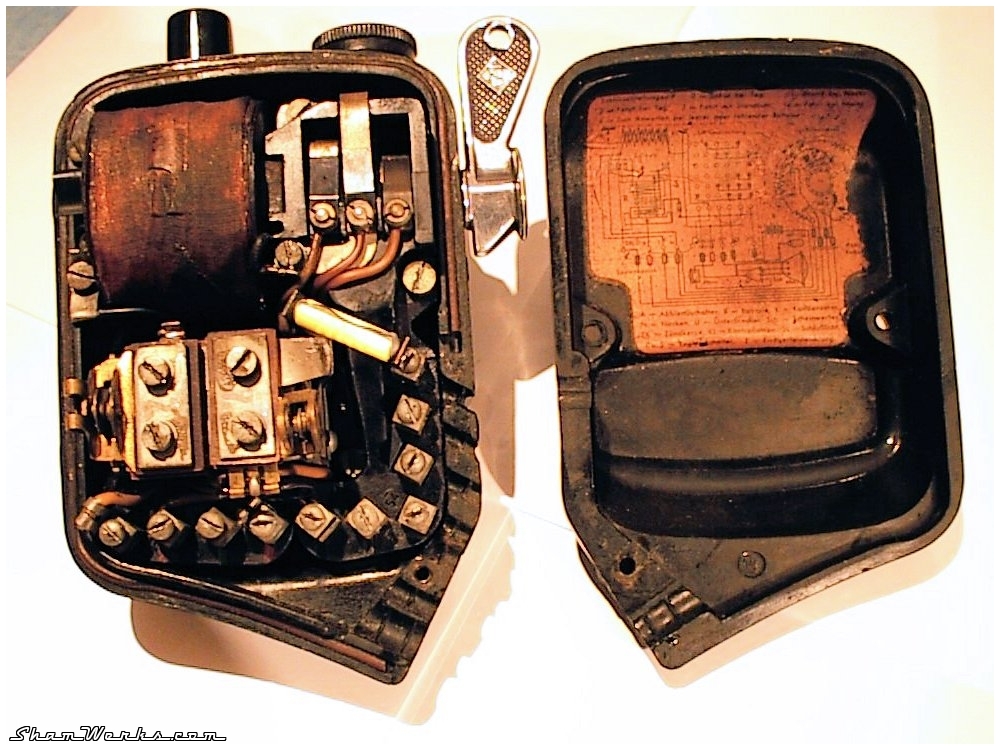
On voit la clef insérée a droite du boitier... Celui ici contient le contacteur à clef (en haut à droite), la bobine haute tension (en haut à gauche), et un relais (en bas a gauche), dont le rôle semble être de redresser la tension alternative délivrée par l'alternateur.
Sur le dessus à gauche, on a la sortie HT (vers la bougie) et a droite un témoin de charge. Il doit s'éteindre dès que le moteur fonctionne.
Ensuite, nettoyage en profondeur du robinet d'essence... Difficile de le rendre étanche celui la...
Et puis un petit "truc" esthétique... Comme les câbles sont apparents sur le cadre, j'ai fait le circuit électrique en noir uniquement... Mais pour s'y retrouver quand les fils arrivent au boitier...à l'aide !!!
Alors j'ai juste peint (peinture à maquettes) le dernier centimètre de chaque fil d'une couleur différente, en repérant tout sur un schéma que je garde précieusement! L'esthétique n'en souffre pas puisque les touches de peintures sont masquées par le couvercle du boitier électrique...
A gauche le cadre est encore sur ses roues, mais le moteur est déposé sur la table au second plan...
A droite, le cadre entièrement décrassé, le moteur ayant réintégré sa place originelle, mais les roues ont disparu...

Les pneus seront finalement plus difficiles à trouver que je ne le croyais, ce qui m'a fait prendre du retard... En effets, les montes en 19 pouces, ça ne court plus les rues!!
Finalement, ce sera des Dunlop 'made in Japan' en 3.00 X 19" (ref. D404F) qui seront montés, avec pour principal inconvénient d'être légèrement plus haut que les gommes d'origine. Cela m'obligera à fabriquer deux pattes en aluminium pour rehausser le garde-boue avant de 25mm, sinon cela ne passait pas...
A l'origine, il y avait un petit boitier pour la batterie... Malheureusement, je n'ai pas ce boitier, donc j'en ai fabrique un en contre-plaqué. Ben oui, je sais, du bois, ça se fait pas, mais bon, j'avais hate de pouvoir rouler, et finalement, le résultat n'est pas vilain, avec 2 couches de laque noire (voir 3e photo)...
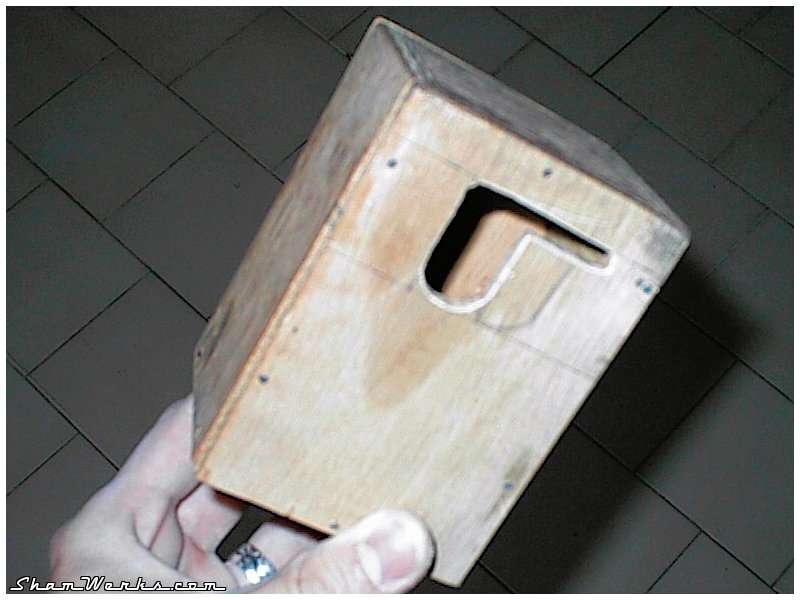
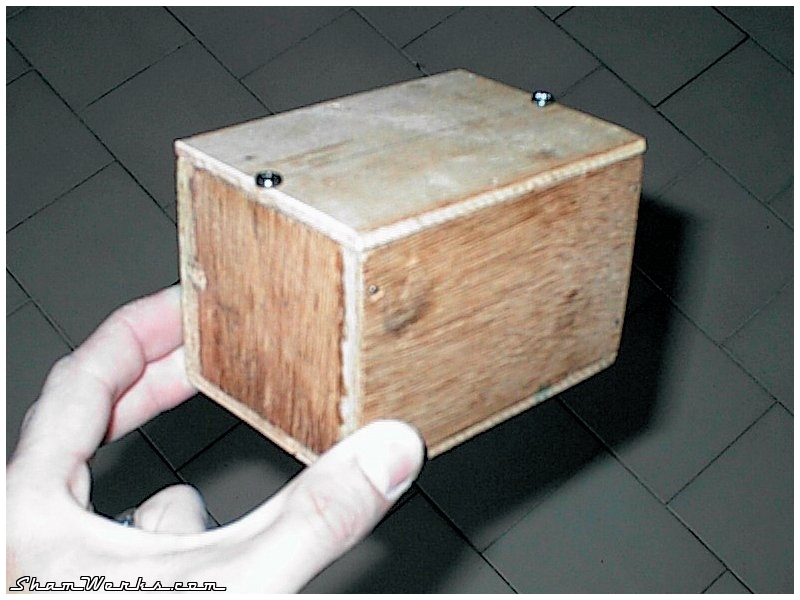
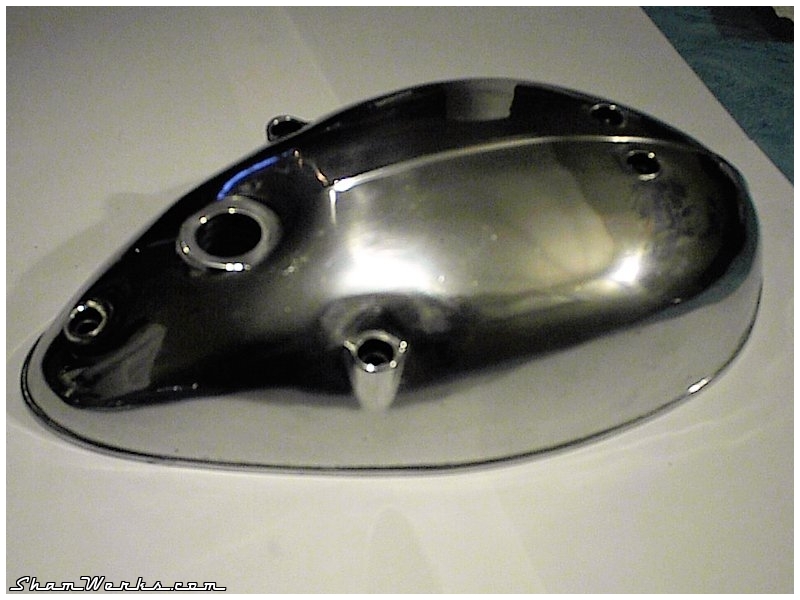
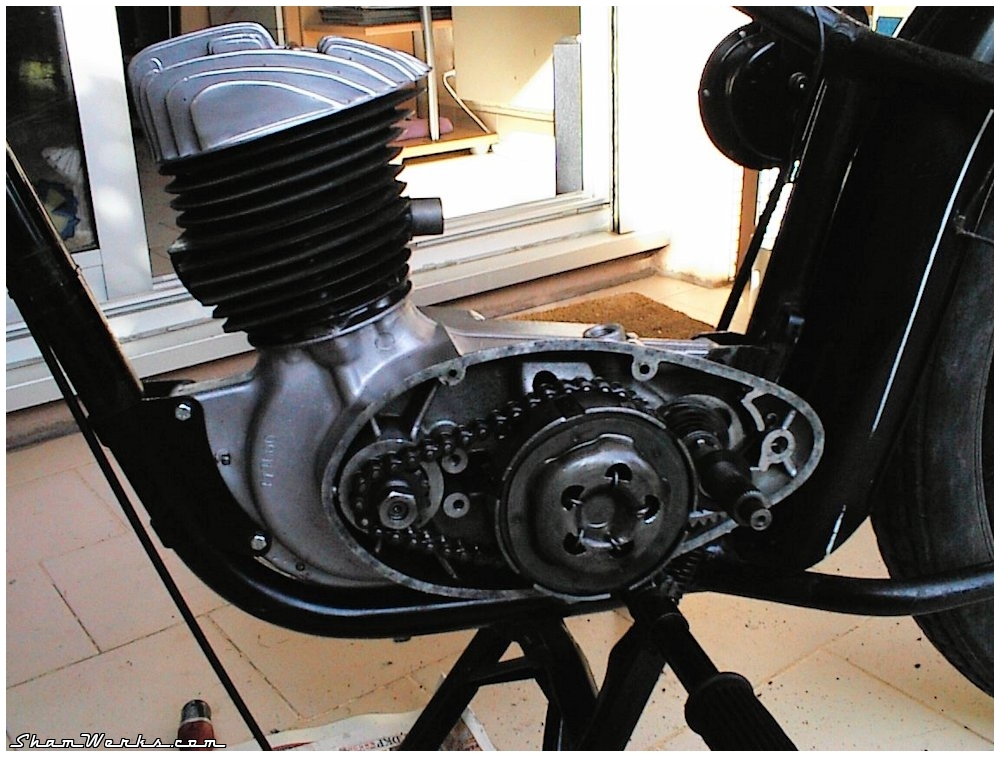


La chaîne a été changée au profit d'une neuve. J'ai même réussi a faire fonctionner le klaxon au bout d'une quinzaine de démontage/remontage!!
Posté le 23/09/2006 à 01:08
Historique et état des lieux
Les origines de mon IFA :
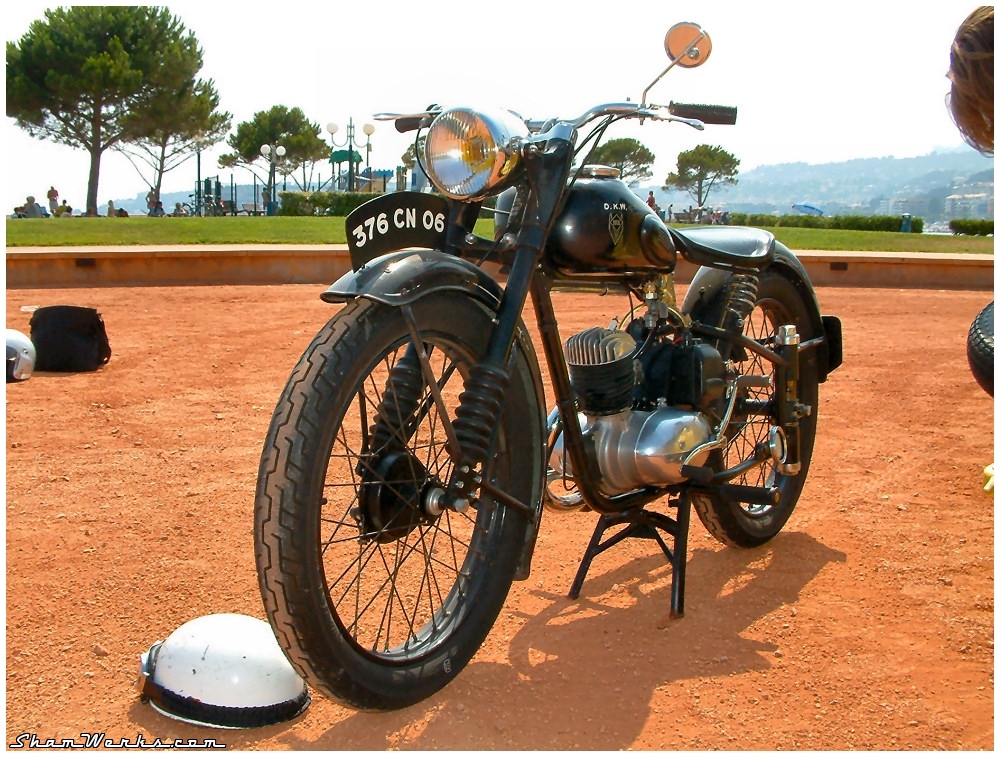
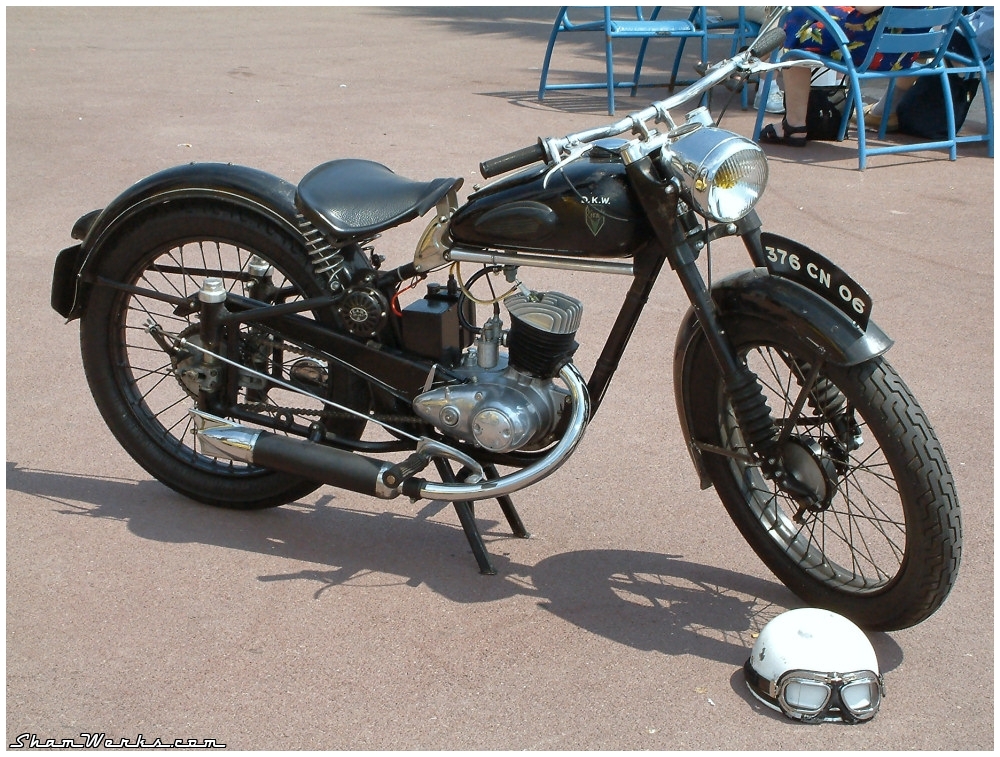
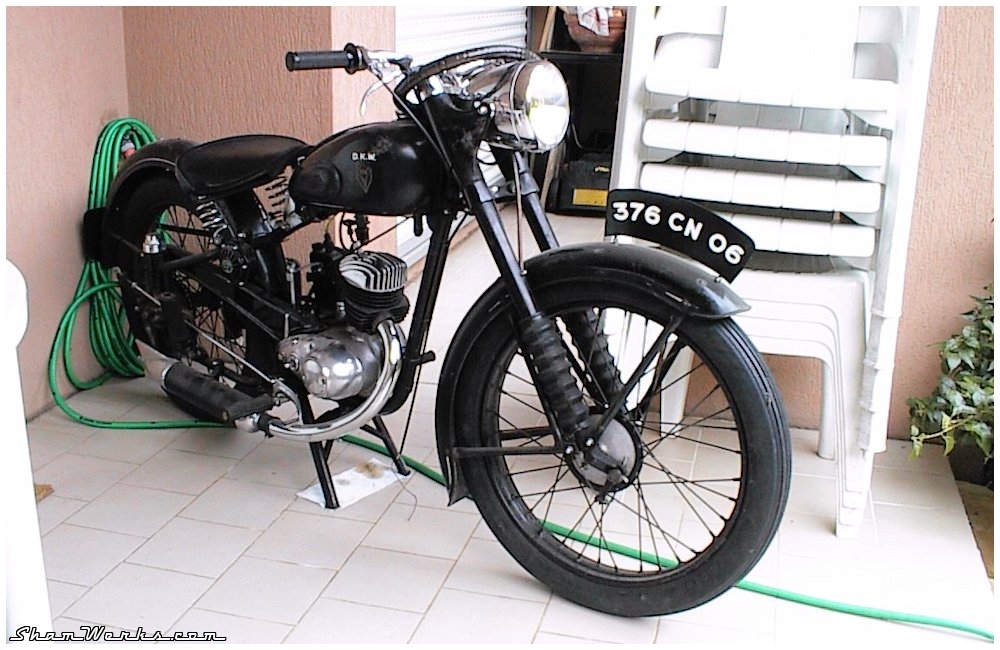
J'ai acheté cet engin en Mars 2001 à mon voisin (!).Il s'agit d'une IFA, dénomination Est-Allemande de DKW : la création du rideau de fer avait coupé l'usine en deux et il y avait eu un procès après pour déterminer qui de l'Est ou de l'Ouest aurait le droit d'utiliser le nom DKW. DKW, qui, avec Horch, Audi et Wanderer, formait le groupe Auto-Union (d'où le logo Audi actuel avec les 4 anneaux!).
A l'Est, la marque devint donc "IFA". Non sans difficultés, l'usine reprend la production, les Russes quittant le pays avec la chaine de production sous le bras! Ils la remonteront à Moscou, pour produire une copie de la RT125 sous la marque "Moskva". Ma moto est donc Est-Allemande, ce qui en fait le modèle le plus rare de toute la production des RT125!
Ce modèle a été la moto la plus produite et copiée dans le monde, car son brevet est tombé aux mains des alliés au titre de réparations de guerre. On en trouve donc des copies fabriquées par les Russes, les Français, et même les Américains chez Harley-Davidson!
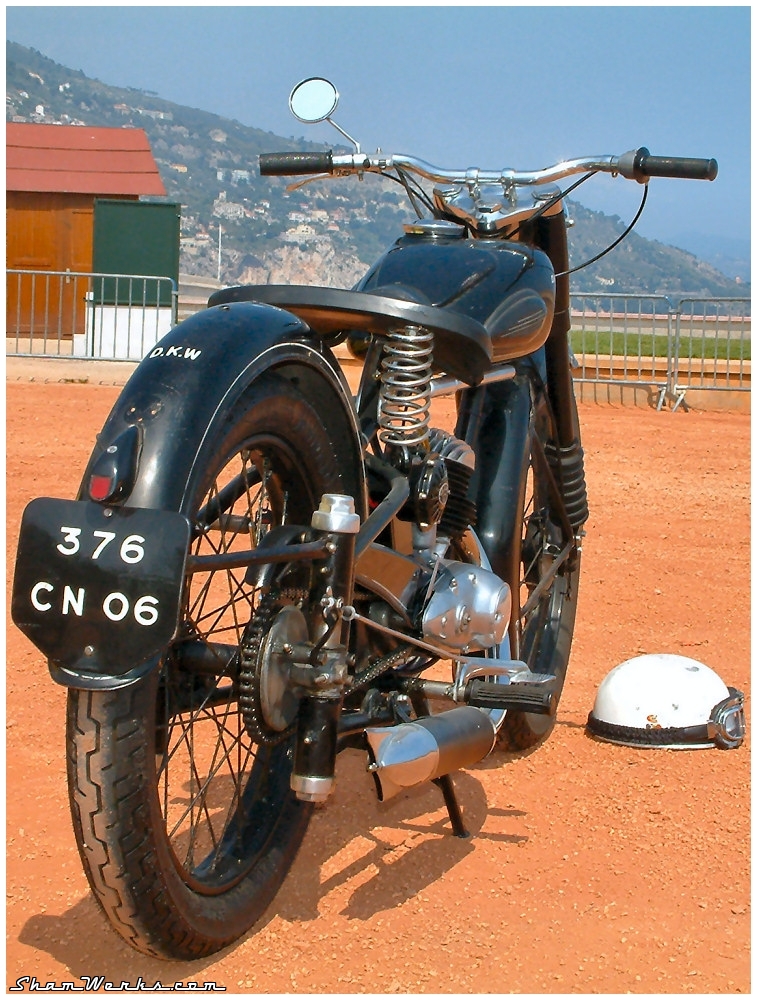
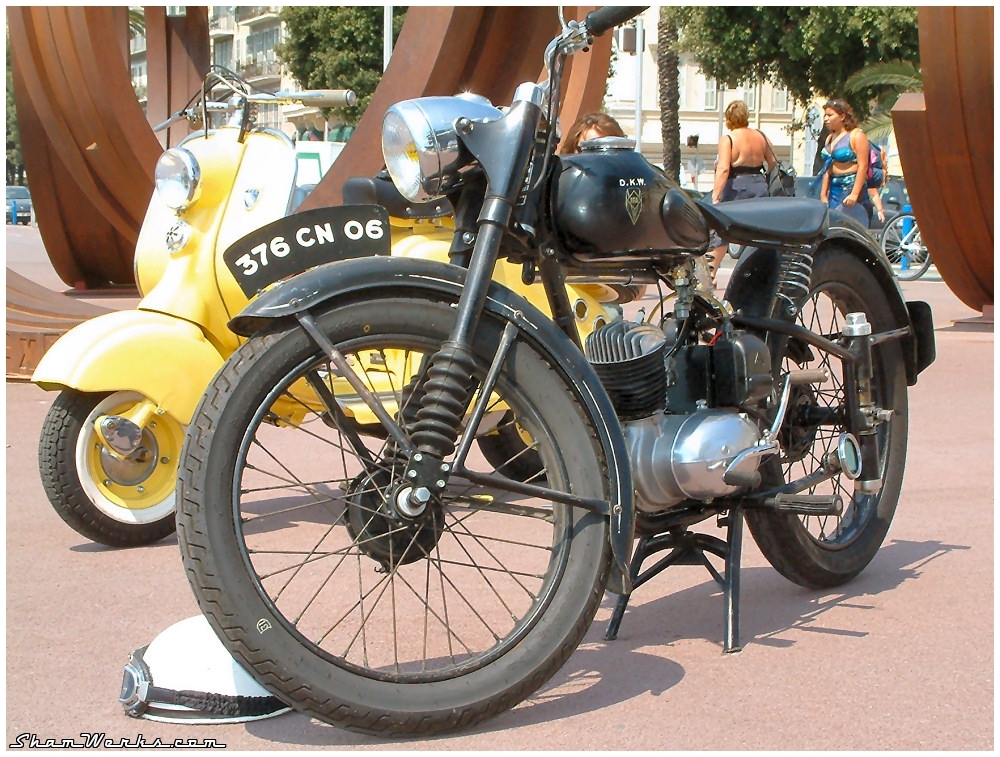
On voit sur son réservoir et son garde-boue arrière le monogramme "DKW"; visiblement, il a été rajouté à la main, au pinceau. Probablement par l'importateur francais ; en 1954, juste après la guerre, les véhicules provenant d'Allemagne de l'Est ne sont pas forcement bien vus, il valait alors mieux qu'apparaisse DKW plutôt que IFA pour d'évidentes raisons marketing! Il apparait en plus qu'elle a été vendu neuve en 54 à Nice (près de chez moi!), et donc son immatriculation est celle d'origine!
Pour tout savoir sur DKW, le site suivant est très complet, proposant même de télécharger les documentations techniques d'époque en format PDF : DKW-Geyer.com.
Et surtout, merci à Kalevi Sundqvist, spécialiste Finlandais de cette marque, pour son aide et sa gentillesse!
État des lieux :
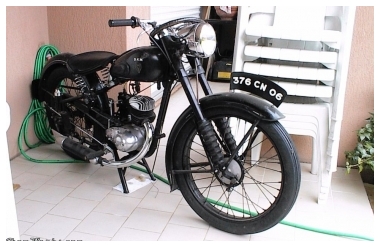
Voici donc l'engin, tel que je l'ai découvert dans le sous-sol de ma résidence...Première inspection rapide : il ne semble manquer que la batterie et la chaine de transmission.
Les pneus sont en assez mauvais état, mais bon, ce sont des pièces d'usure...
Les chromes ont été refaits (même certaines pièces qui n'étaient pas chromées à l'origine!), la peinture est celle d'origine, en très bon état, seuls les filets blancs soulignant la courbure du réservoir (rechampissage/pinstriping) et des garde-boue ont été altérés par le temps...
Le circuit électrique, lui, mériterait une petite révision. Les isolants tressés des années 50 ne vieillissent pas bien...
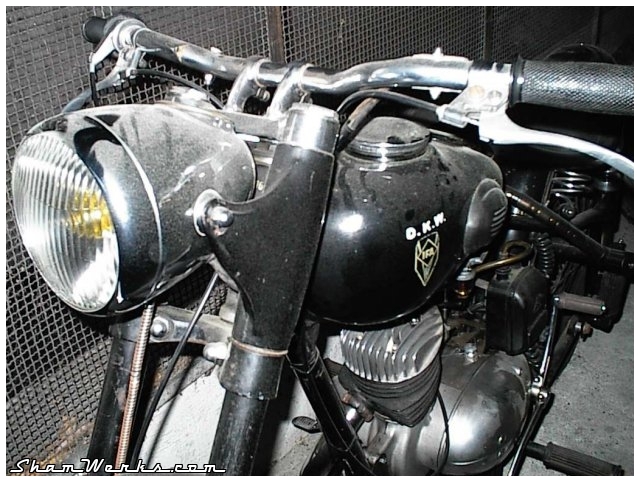
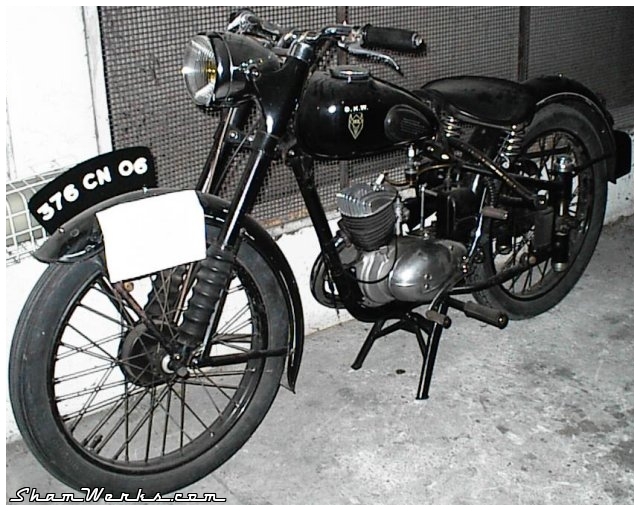

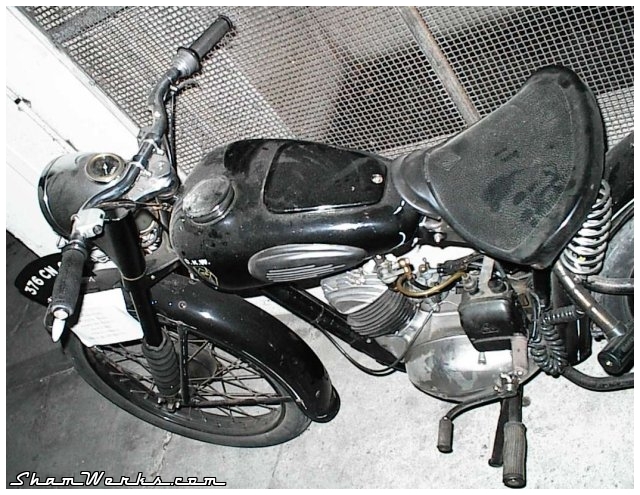
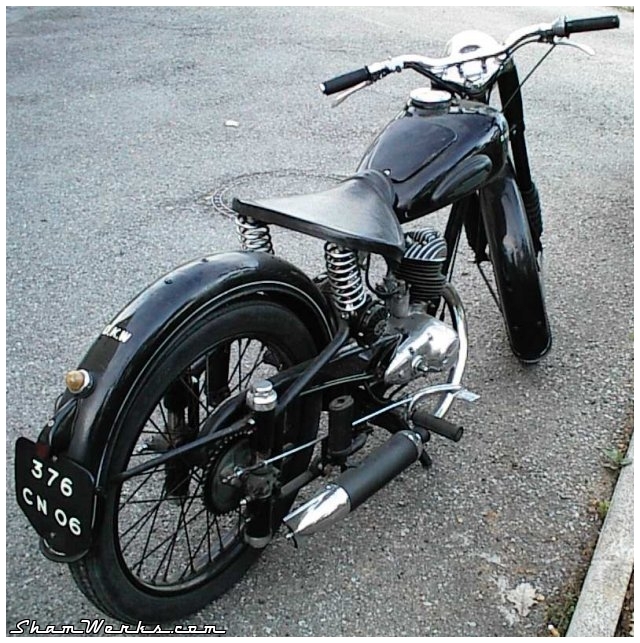
J'ai vraiment craqué sur sa bouille, sa selle mono-place d'égoïste, son look de vieille Harley...
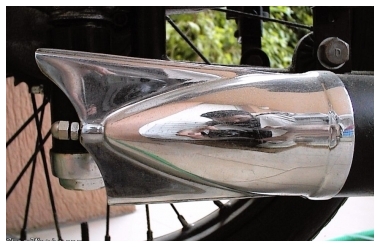
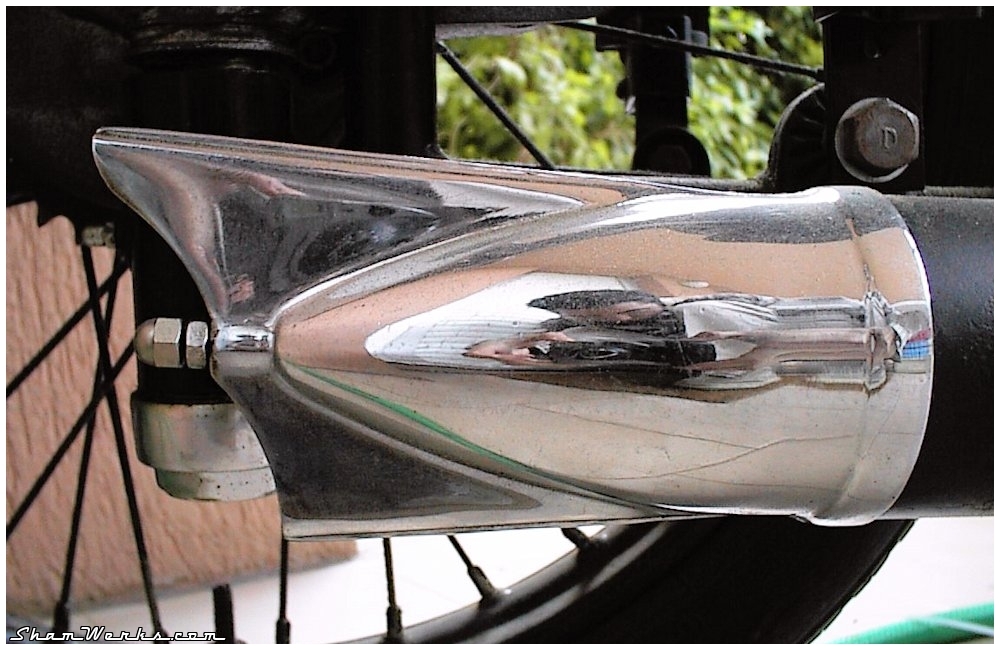
Et puis des petits détails, comme le gros bouchon de réservoir chromé, le filtre à essence sous le même bouchon, le petit robinet d'essence avec sa cuve en verre, la clef étrange pour mettre le contact, la petite aiguille chromée qui se déplace sur un cadran pour indiquer le rapport de boite engagé, le pot d’échappement "Fish Tail" (look bien HD ça aussi!), la plaque d'immatriculation sur le garde-boue avant, etc, etc...


Posté le 23/09/2006 à 01:04
Divers et accessoires
Un accessoire dont je suis particulièrement fier!
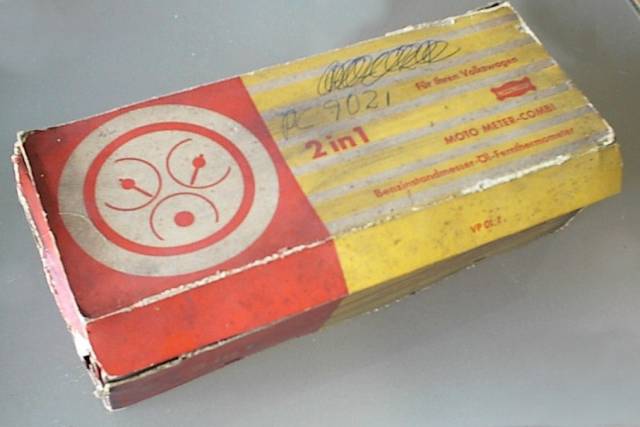
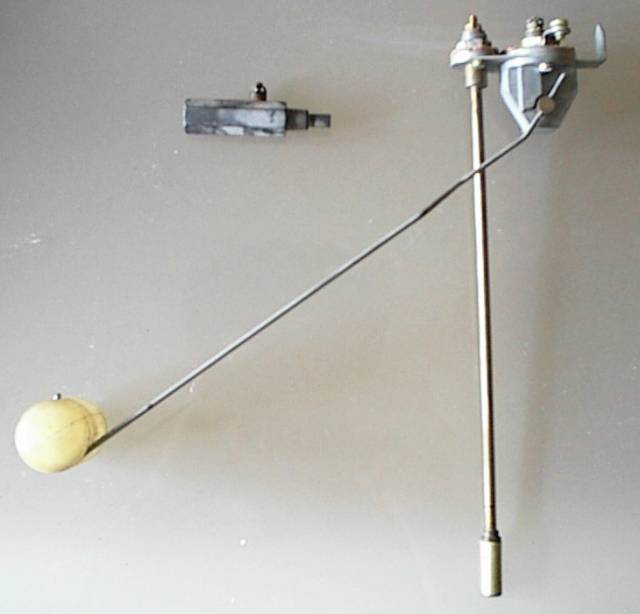
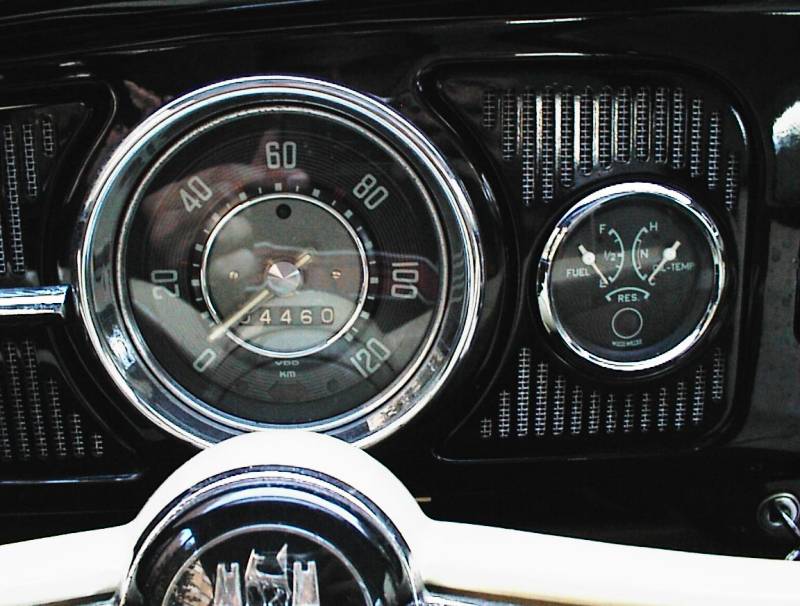
Une jauge "2 en 1" Motometer : niveau d'essence (avec voyant de réserve) et température d'huile...
Je l'ai achetée totalement NOS, en 2000, sur eBay : complète, jamais montée, dans sa boite d'origine! Pour un accessoire des années 50, ça devient de plus en plus rare!
Bref, après un peu de peinture noire et deux trous percés dans mon réservoir, me voila avec une jolie jauge sur mon tableau de bord!


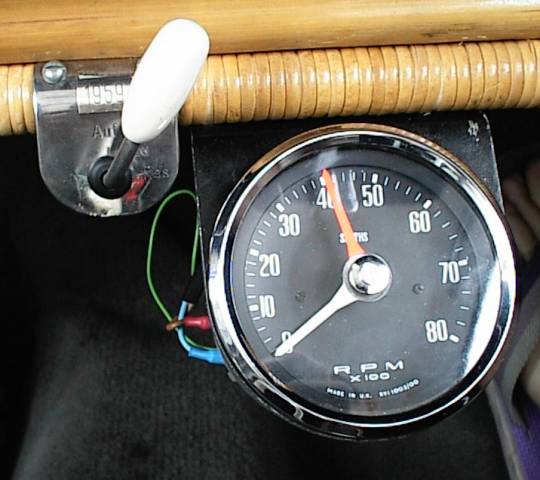
 Un dernier petit accessoire : un compte-tours Smith.
Il m'a fallut un moment pour comprendre son mode de fonctionnement : par induction!
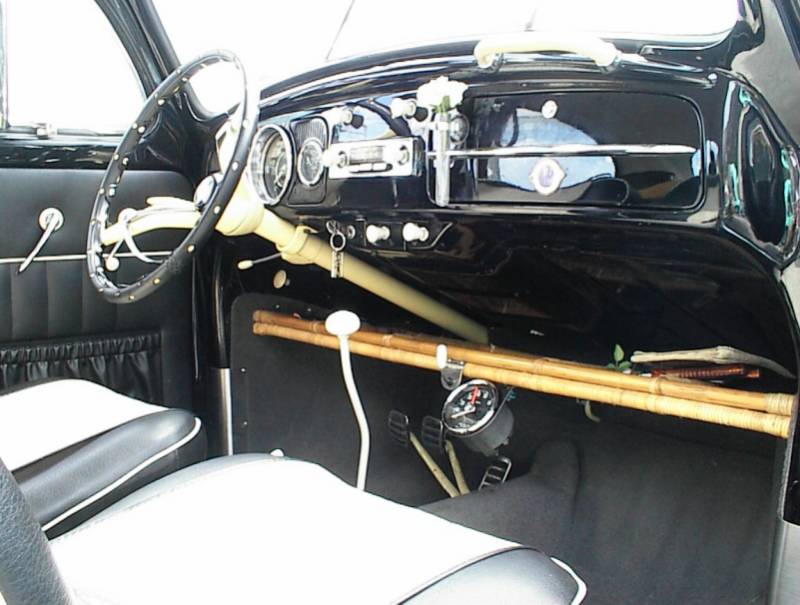
Bref, il fonctionne maintenant à merveille, j'ai désormais tous les compteurs pour surveiller ma petite mécanique!


Une jauge "2 en 1" Motometer : niveau d'essence (avec voyant de réserve) et température d'huile...
Je l'ai achetée totalement NOS, en 2000, sur eBay : complète, jamais montée, dans sa boite d'origine! Pour un accessoire des années 50, ça devient de plus en plus rare!
Bref, après un peu de peinture noire et deux trous percés dans mon réservoir, me voila avec une jolie jauge sur mon tableau de bord!

Il m'a fallut un moment pour comprendre son mode de fonctionnement : par induction!
Bref, il fonctionne maintenant à merveille, j'ai désormais tous les compteurs pour surveiller ma petite mécanique!
Posté le 22/09/2006 à 13:41
Géographie / le départ
Géographie :
Quelques éléments de géographie pour comprendre de quoi on parle... La Polynésie Française est un POM (Pays d'Outre Mer) situé dans le Pacifique Sud, à 18.000 kilomètres de la métropole (soit 22 heures d'avion et 12 heures de décalage horaire).Il s'agit de 118 iles et atolls, composant 5 archipels : Iles de la Société (ou se trouvent Tahiti, Moorea, et Bora Bora), Marquises (chères à Brel), Australes, Tuamotus (Rangiroa, Fakarava...) et Gambier. Réparties sur une surface d'océan équivalente à l'Europe, la surface cumulée de ces terres émergées, en revanche, représente à peine la moitié de la Corse...
Le continent le plus proche est l'Australie, à 6100km à l'ouest. L'Amérique du Nord est à 6500km, l'Amérique du Sud à 7500km... Bref, difficile de faire plus perdu!
220.000 personnes vivent en Polynésie Française, dont la moitié sur Tahiti (centre économique, avec le chef lieu de Territoire, Papeete).
Le départ :
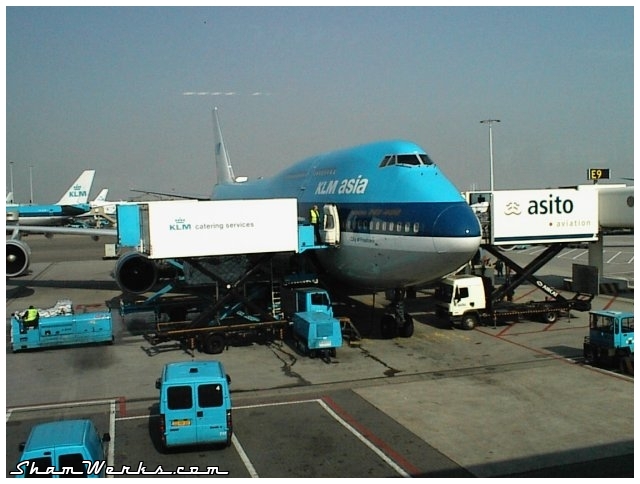
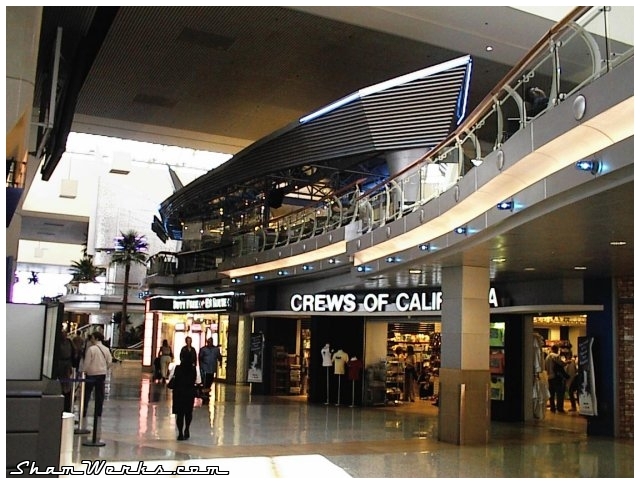
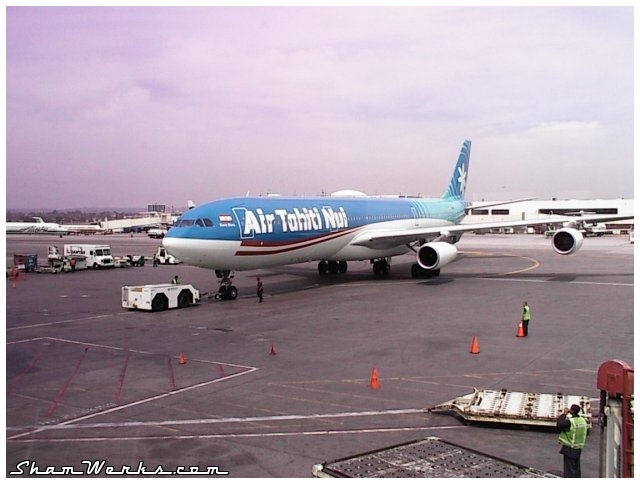
Je décolle donc de Nice le 20 Avril 2003, tôt le matin, pour un voyage de 27 heures, en passant par Amsterdam et Los Angeles. Vol sans soucis, dormi une bonne partie du temps...Pour rallier Los Angeles (LAX), on survole le Groenland, immensité gelée... En plein jour, la neige réfléchissant le soleil, c'était totalement aveuglant depuis l'avion! Mention spéciale pour Air Tahiti Nui, la compagnie aérienne que j'ai empruntée pour rallier LAX à Papeete : avions neufs, téléphone satellite à chaque siège, écran LCD individuel avec films et jeux vidéo, personnel navigant charmant, et l'inévitable fleur de tiaré offerte au décollage... Rien à dire, parfait.
Arrivée a 22H heure locale, dans la chaleur étouffante de Tahiti, l'odeur du tiare qui monte à la tête et le son du ukulélé dans les oreilles... Cette fois j'y suis!!


Posté le 22/09/2006 à 13:40
Tahiti
Le nom fait rêver hein??
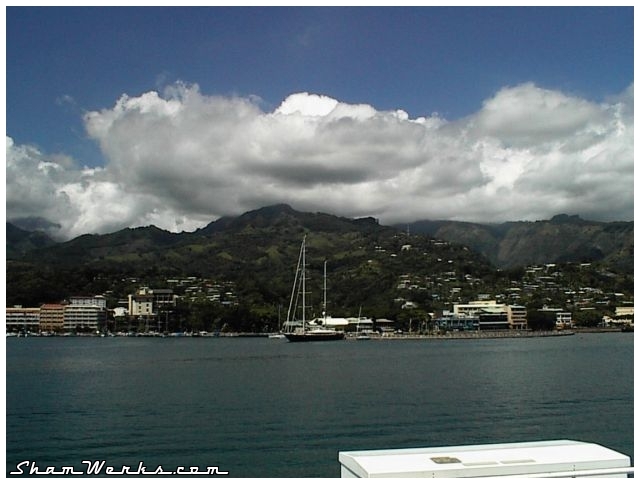
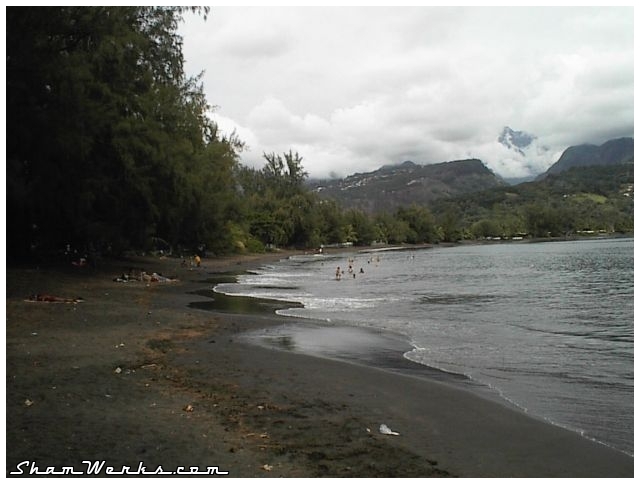
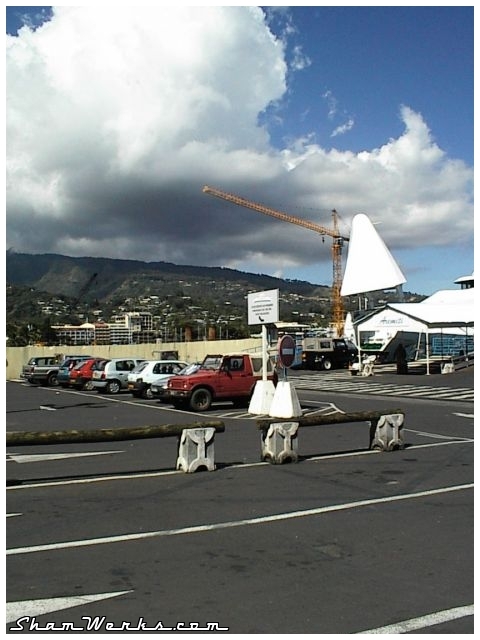
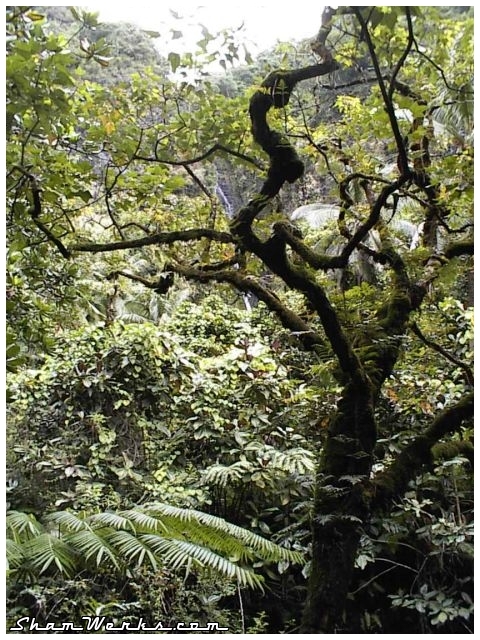
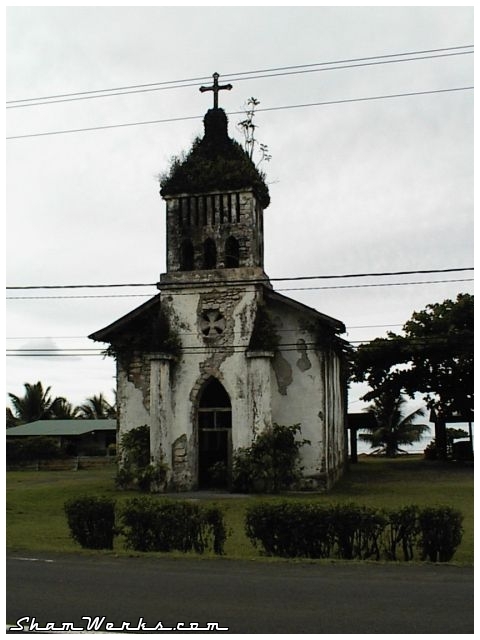
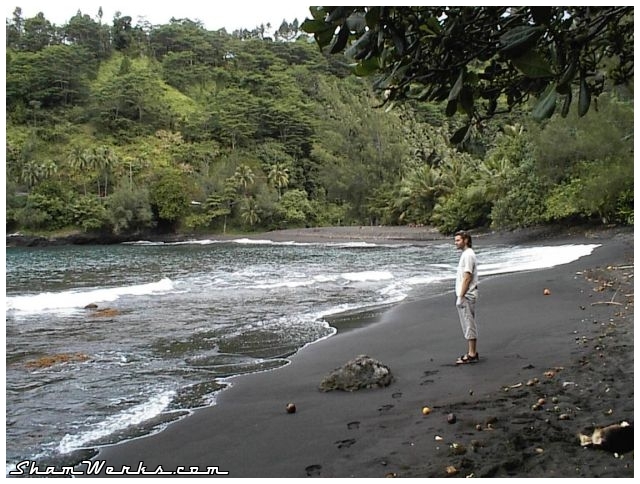
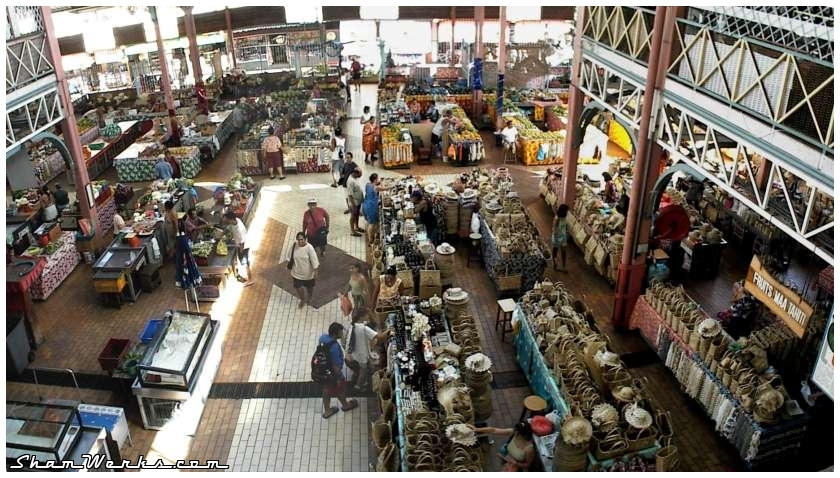
Tahiti est une île superbe, mais l'image que l'on en a en arrivant ne lui rend pas justice. En effet, on arrive forcement à l'aéroport ou au port, et donc on découvre Papeete, grande ville polluée, au développement anarchique...
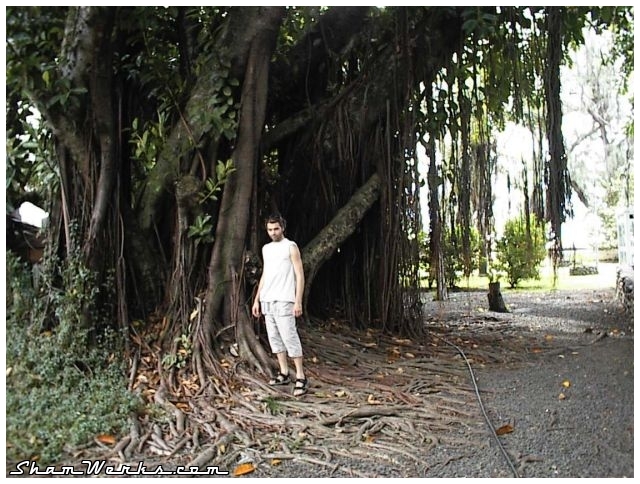
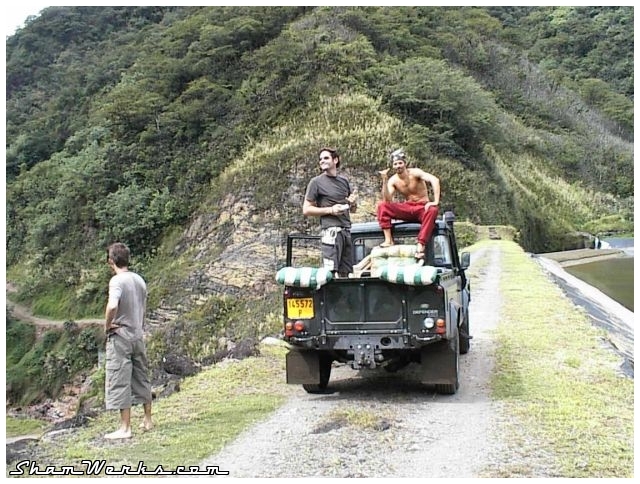
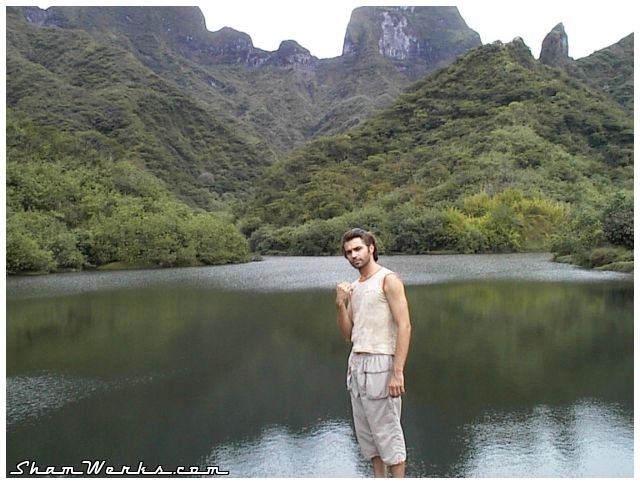
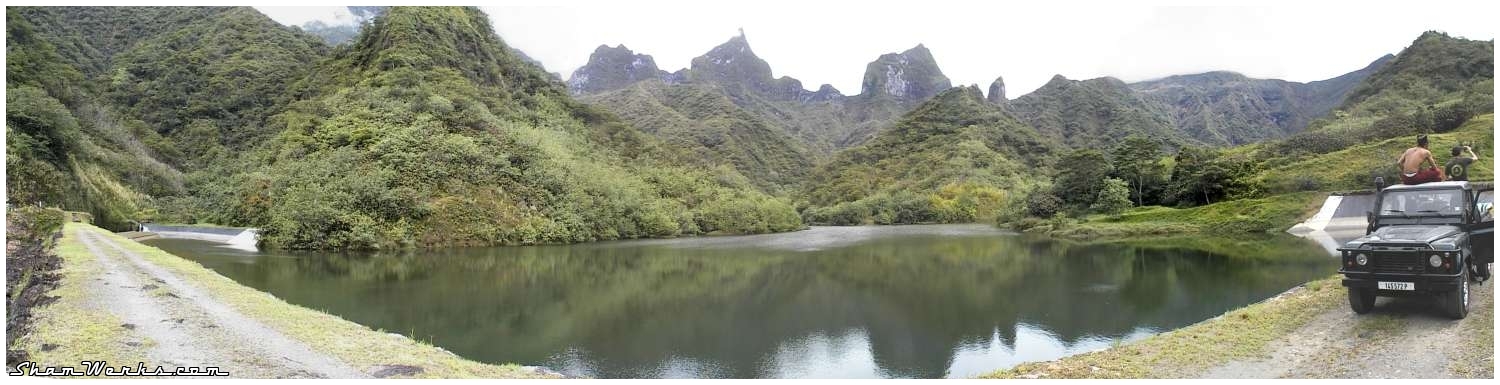
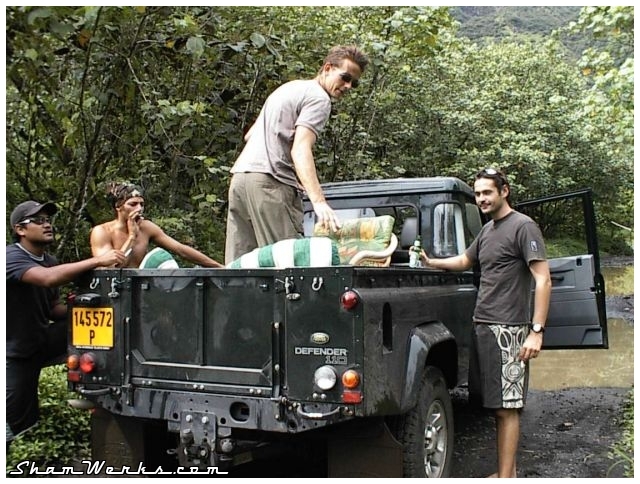
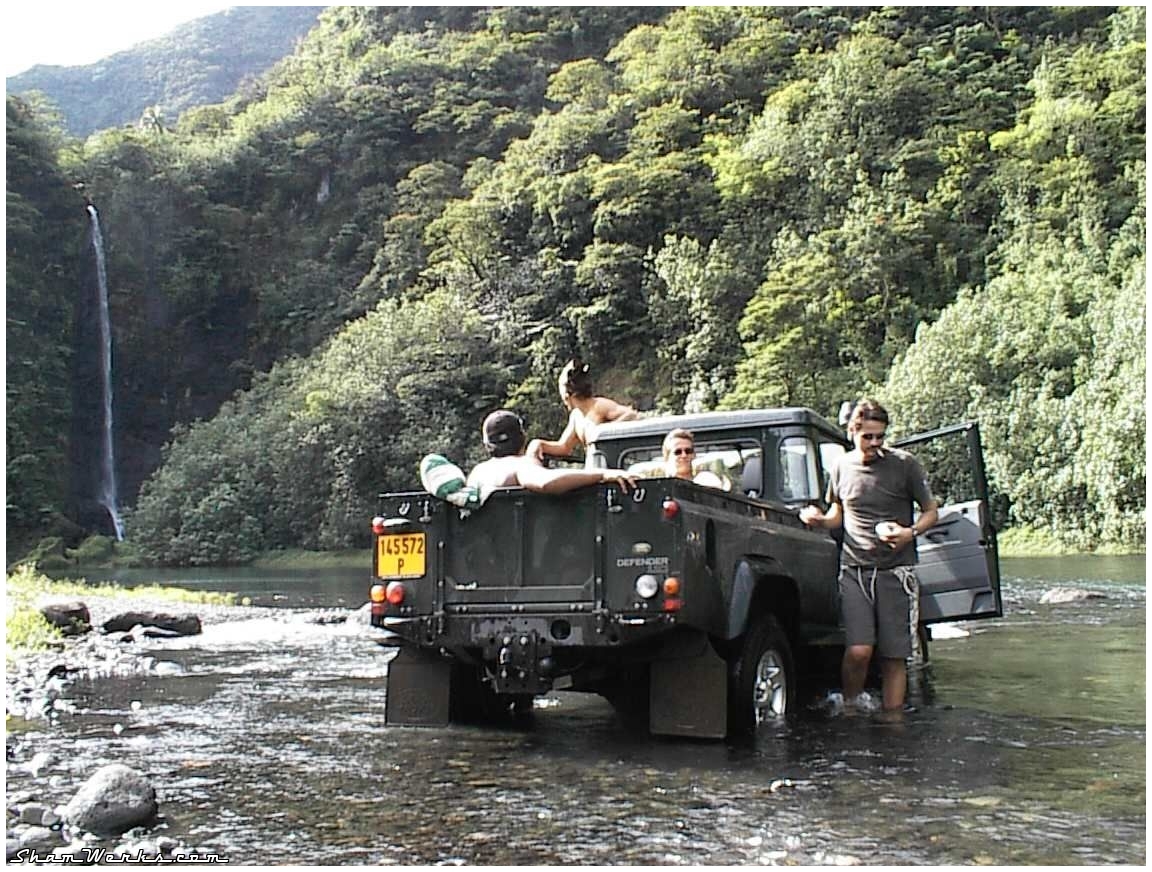
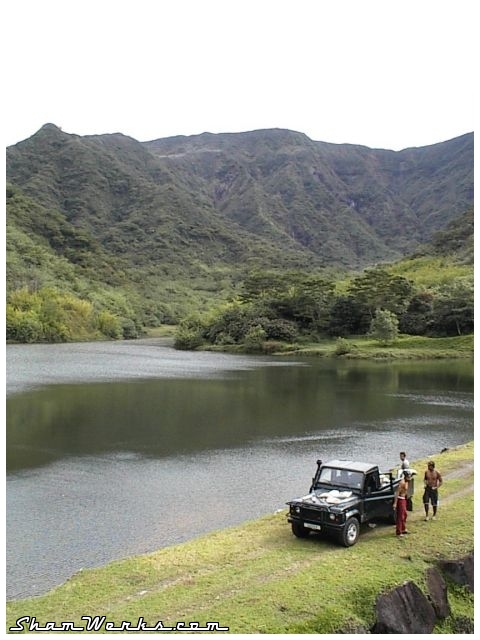
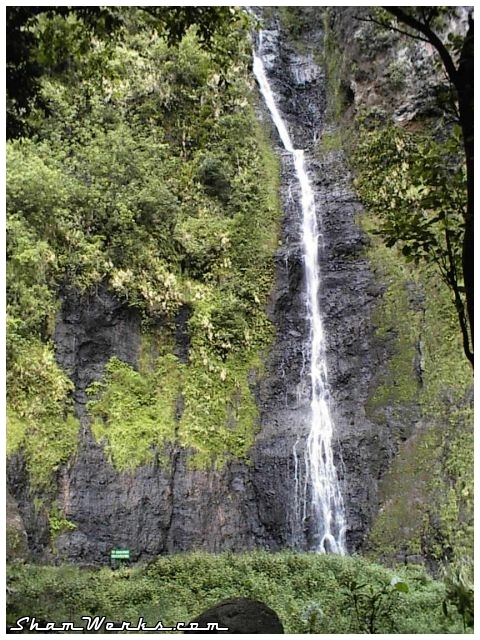
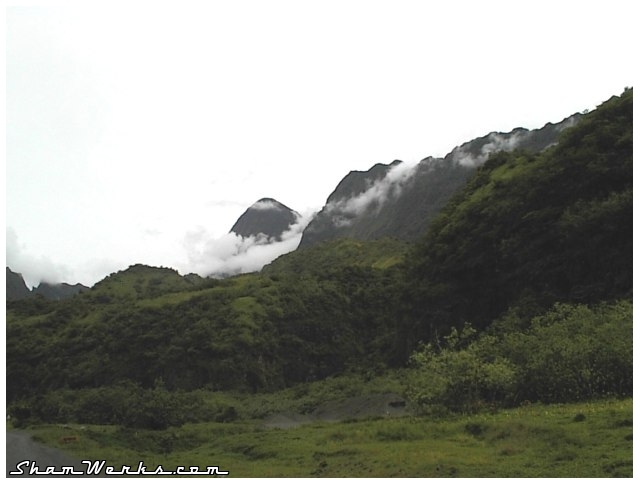
Non, pour vraiment apprécier Tahiti, il faut en faire le tour (prévoyez 4 heures en voiture), et s'offrir les services d'un guide en 4x4 pour partir à la découverte du centre de l’île (totalement dépourvue de route).
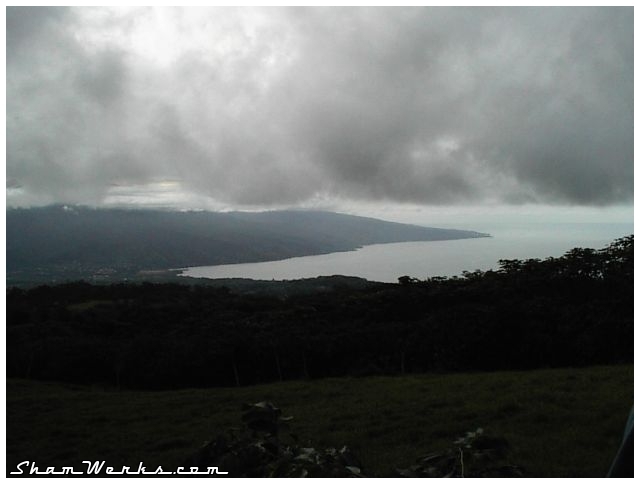
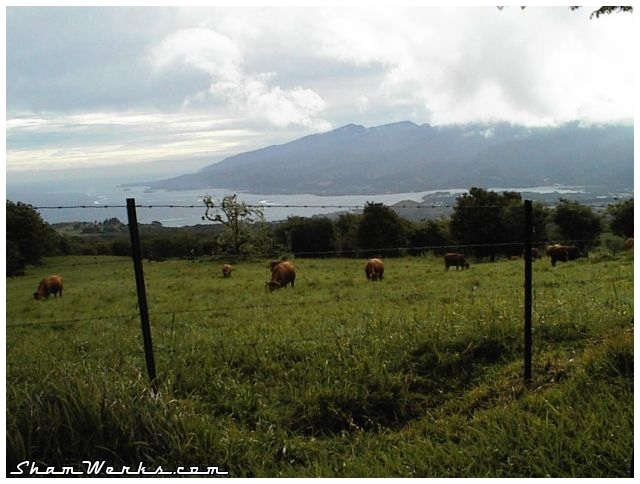
Géographiquement, Tahiti est formée d'une grande île ronde (Tahiti Nui - "Nui" veut dire "grand" en Tahitien), à laquelle est rattachée une presqu’île, elle aussi ronde (Tahiti Iti - "iti" signifiant "petit").
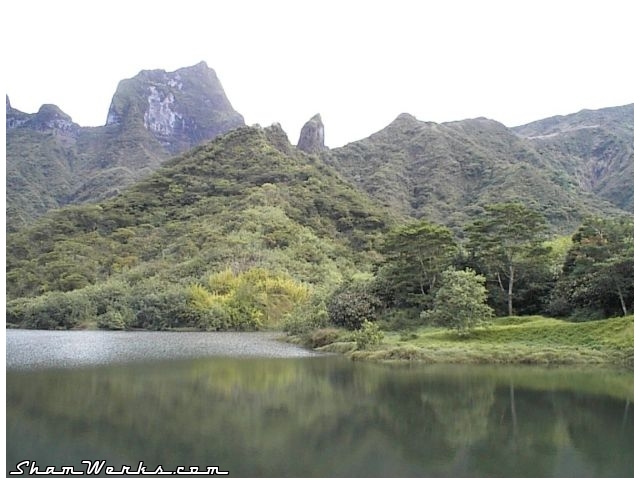
La ville, centre économique, est évidemment surpeuplée, mais en s'éloignant vers Tahiti Iti, on trouve des zones totalement sauvages, sans aucune habitation!
[Cliquez ici pour voir la carte de Tahiti]
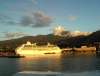





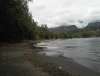
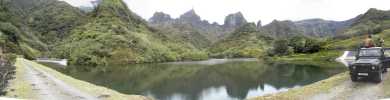



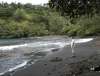
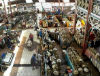

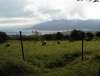
Tahiti est une île superbe, mais l'image que l'on en a en arrivant ne lui rend pas justice. En effet, on arrive forcement à l'aéroport ou au port, et donc on découvre Papeete, grande ville polluée, au développement anarchique...
Non, pour vraiment apprécier Tahiti, il faut en faire le tour (prévoyez 4 heures en voiture), et s'offrir les services d'un guide en 4x4 pour partir à la découverte du centre de l’île (totalement dépourvue de route).
Géographiquement, Tahiti est formée d'une grande île ronde (Tahiti Nui - "Nui" veut dire "grand" en Tahitien), à laquelle est rattachée une presqu’île, elle aussi ronde (Tahiti Iti - "iti" signifiant "petit").
La ville, centre économique, est évidemment surpeuplée, mais en s'éloignant vers Tahiti Iti, on trouve des zones totalement sauvages, sans aucune habitation!
[Cliquez ici pour voir la carte de Tahiti]
![[Cliquez ici pour voir la carte de Tahiti]](images/polynesie/map_tahiti.jpg)









Posté le 22/09/2006 à 13:39
Moorea
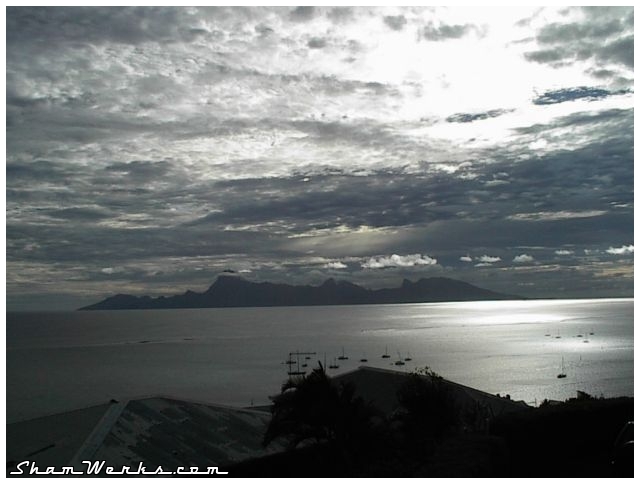
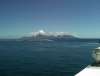
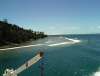
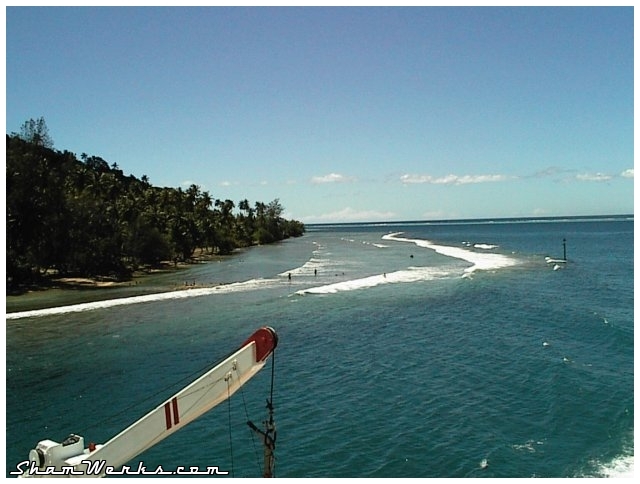
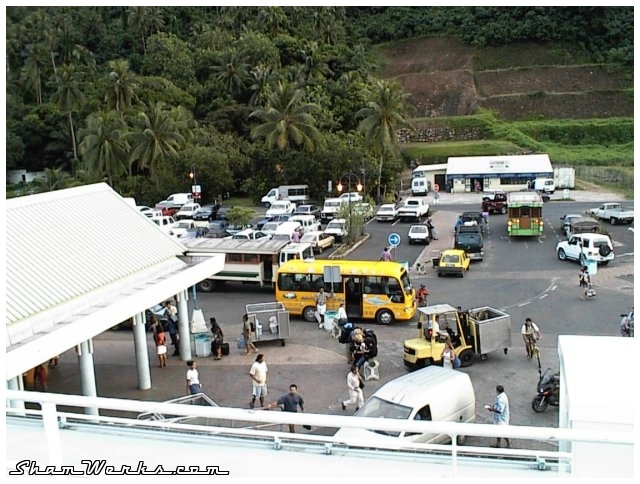
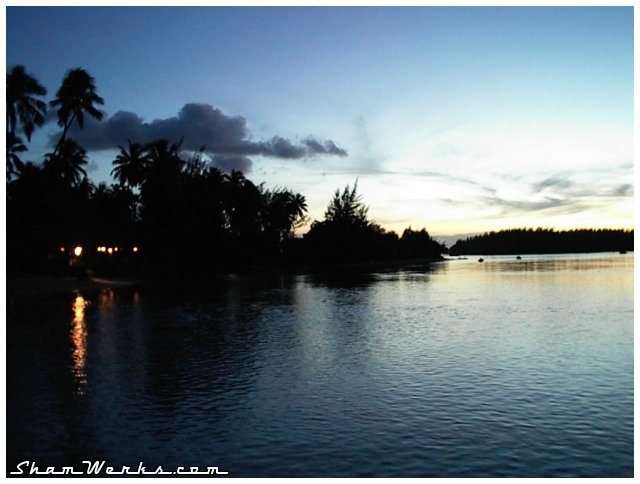
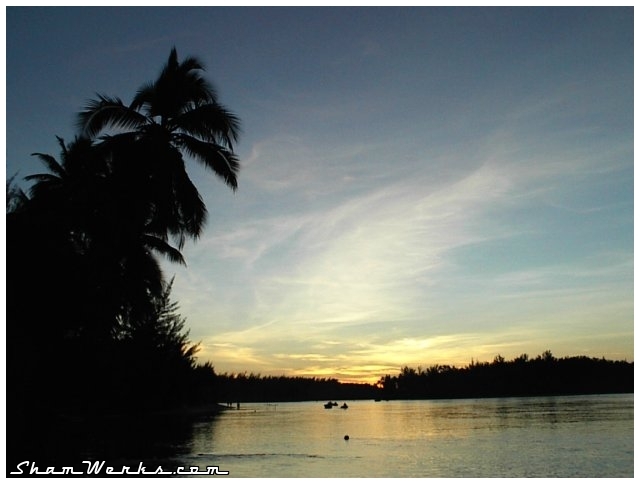
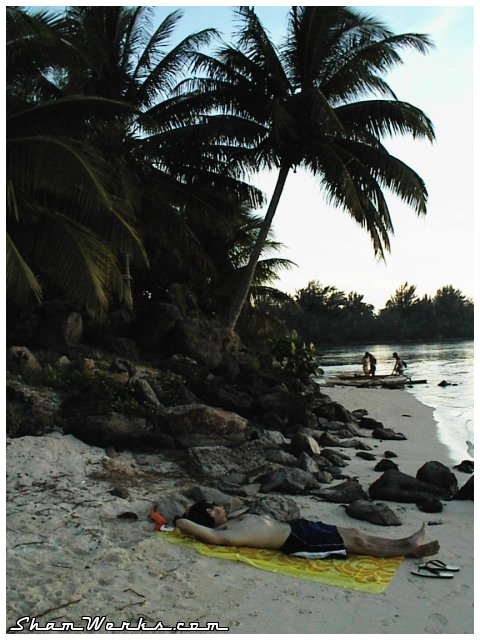
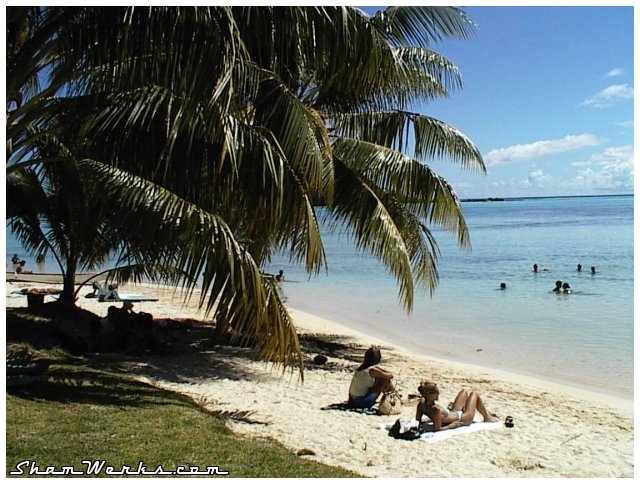
Moorea (prononcez mohoréa, en roulant le R!), c'est l’île sœur de Tahiti. Située à quelques kilomètres en face, on fait le trajet Papeete-Vaiare en 30 minutes en bateau, ou 6 minutes (!) en avion, respectivement pour 700CFP (5€80) ou 1500CFP (12€60).
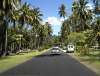
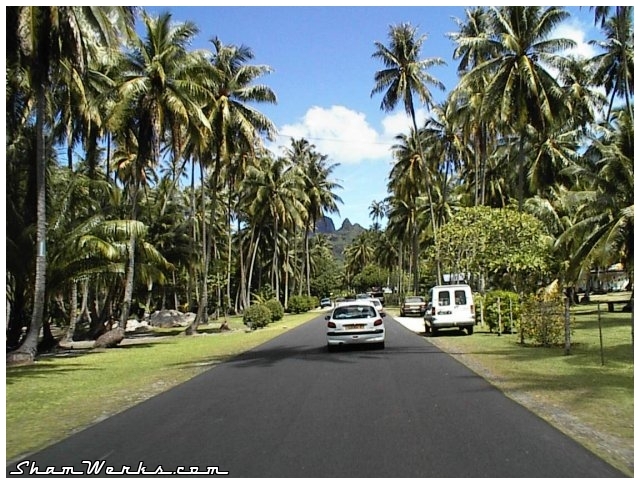
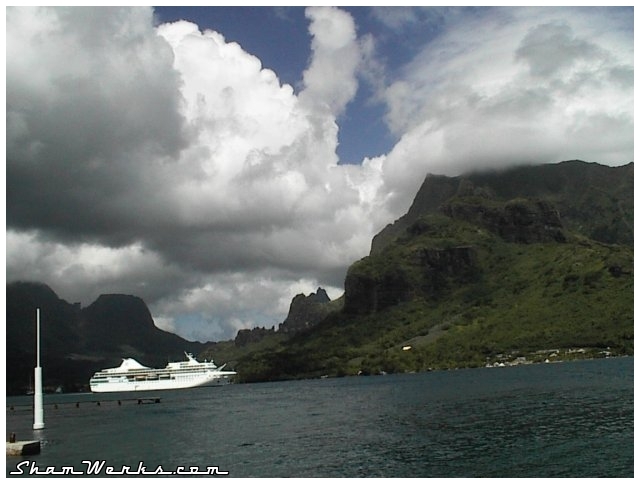
L’île a grosso modo la forme d'un triangle arrondi, dont le coté Nord a deux grandes encoches : les baies d'Opunohu et de Cook (Les Révoltes du Bounty, ça vous dit quelque chose?). Il n'y a qu'une seule et unique route, qui fait le tour de l’île, environ 60km...
[Cliquez ici pour voir la carte de Moorea]

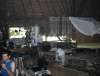




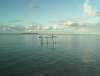
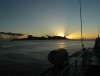




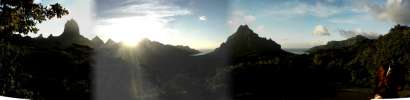














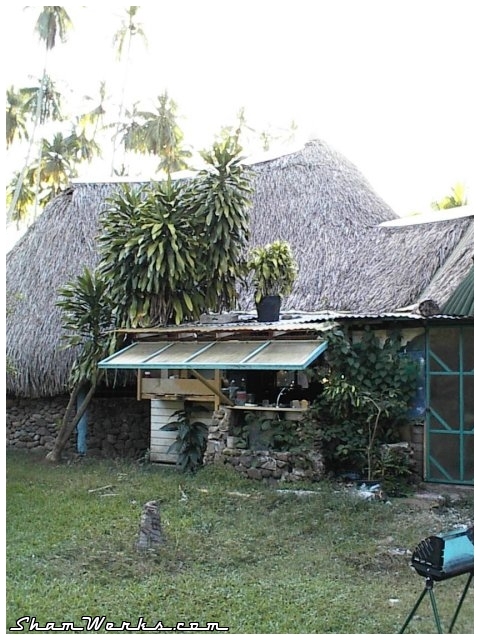
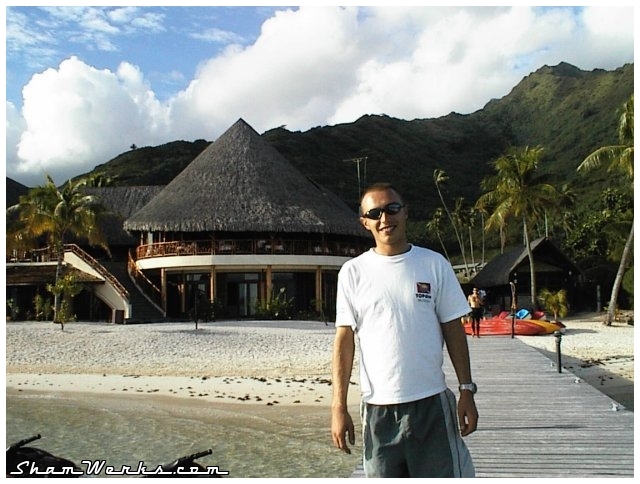
Bonus : une petite vidéo de chez Francky, le faré raditionnel qui a été ma maison pendant 6 semaines!
L’île a grosso modo la forme d'un triangle arrondi, dont le coté Nord a deux grandes encoches : les baies d'Opunohu et de Cook (Les Révoltes du Bounty, ça vous dit quelque chose?). Il n'y a qu'une seule et unique route, qui fait le tour de l’île, environ 60km...
[Cliquez ici pour voir la carte de Moorea]
![[Cliquez ici pour voir la carte de Moorea]](images/polynesie/map_moorea.jpg)
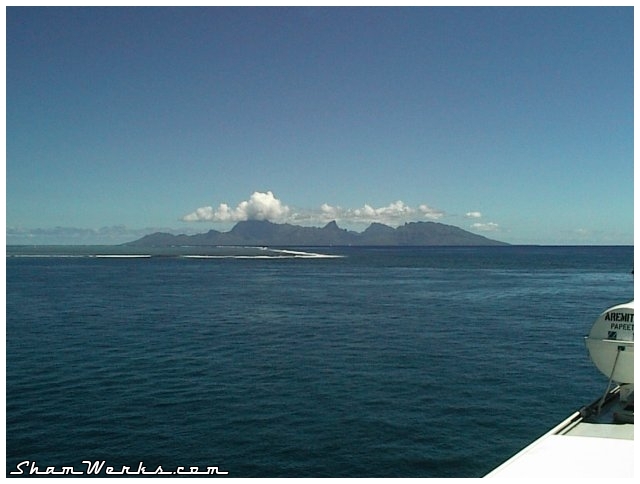

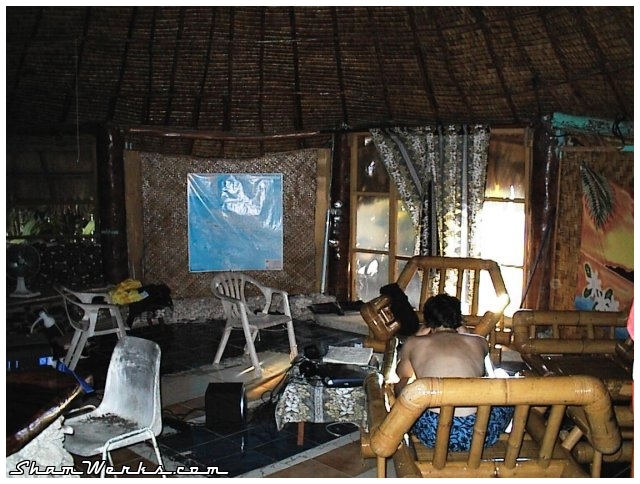
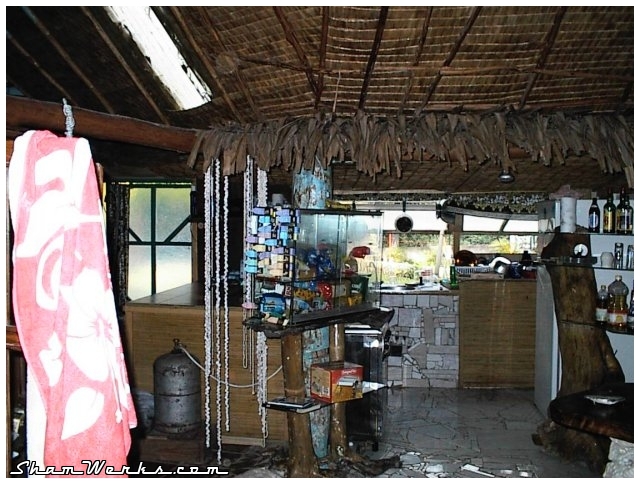
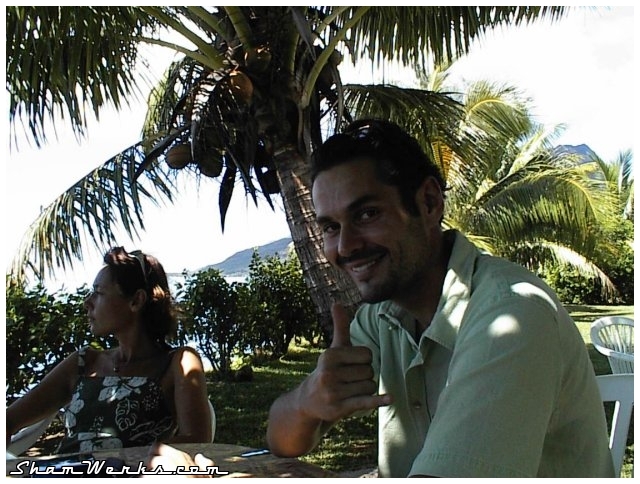

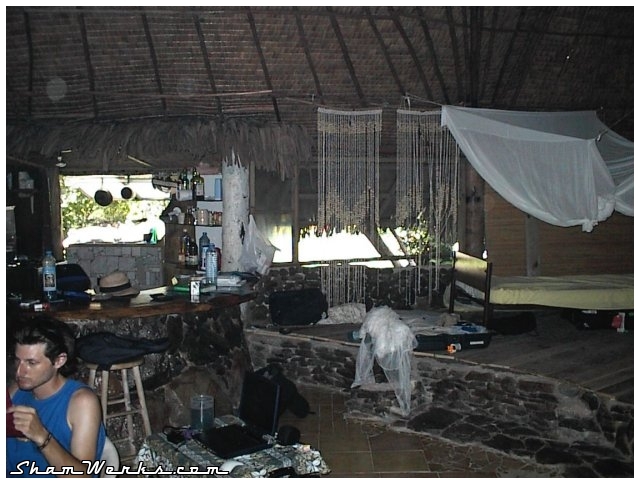

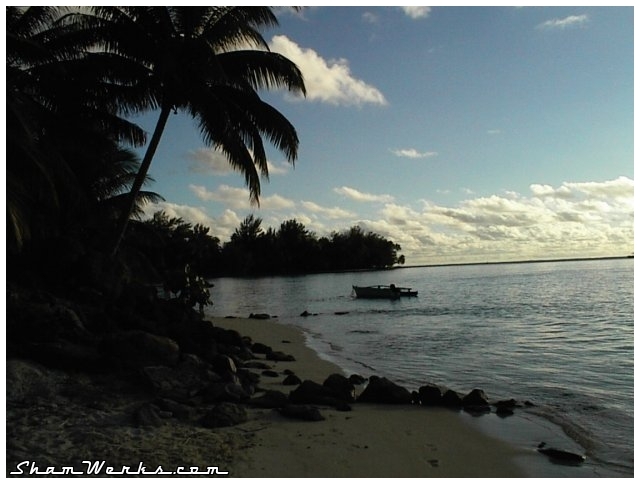
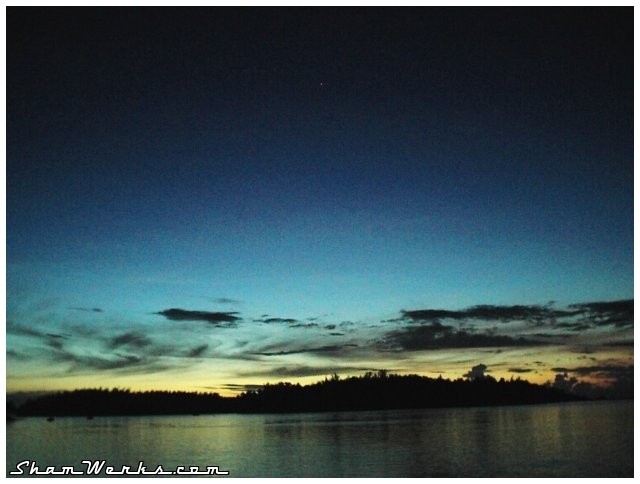

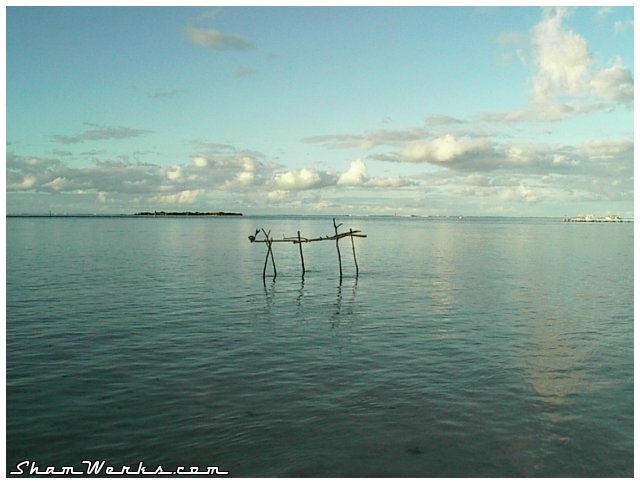
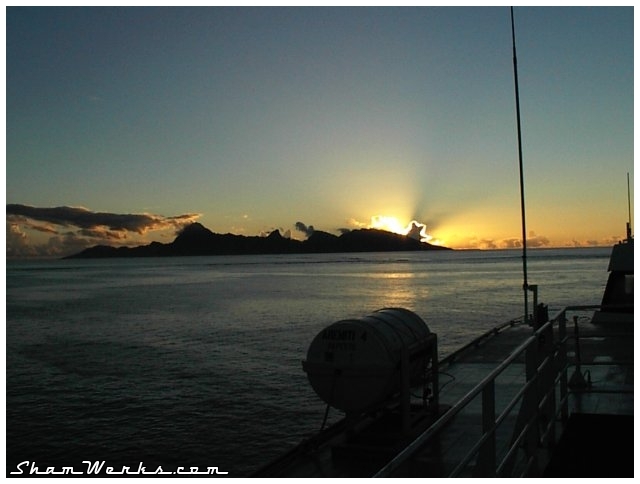
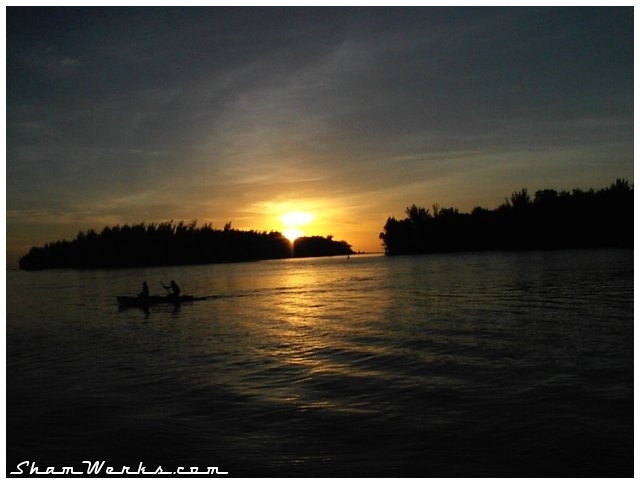



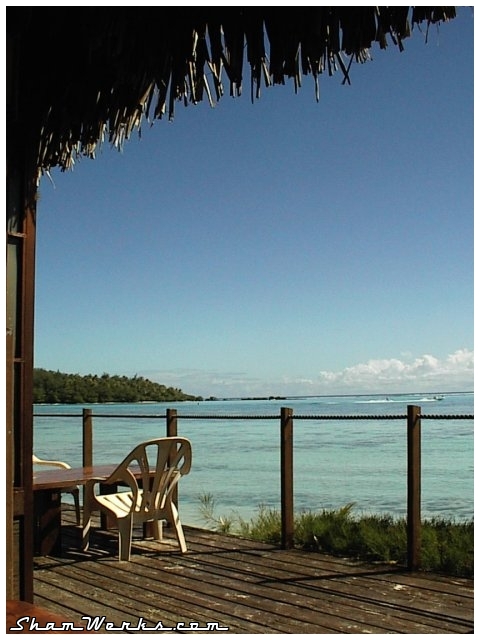
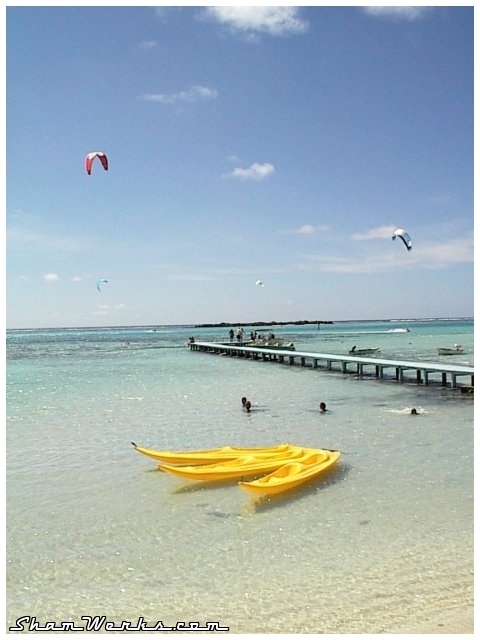

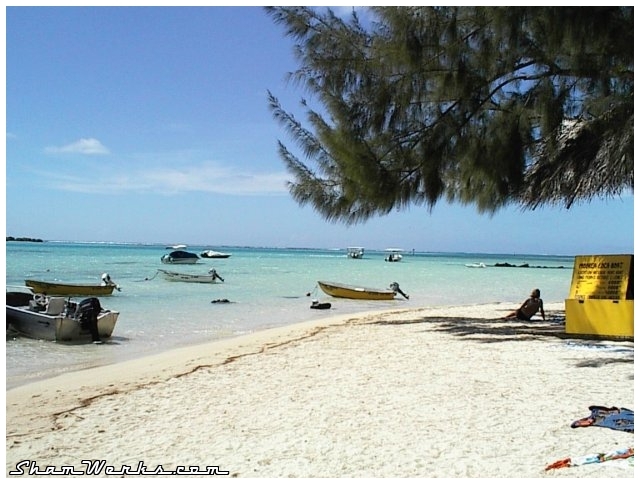
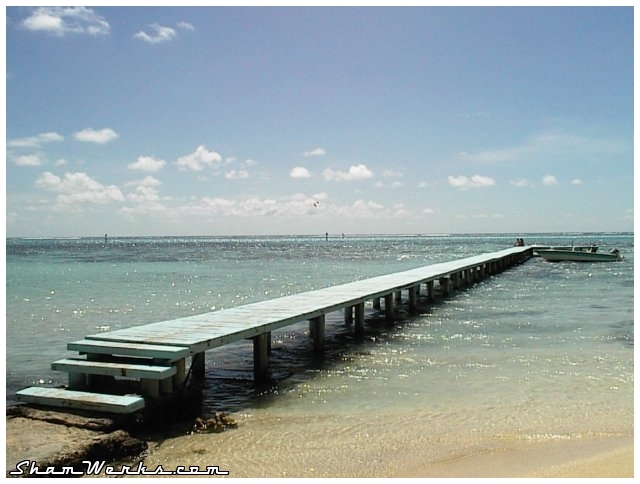
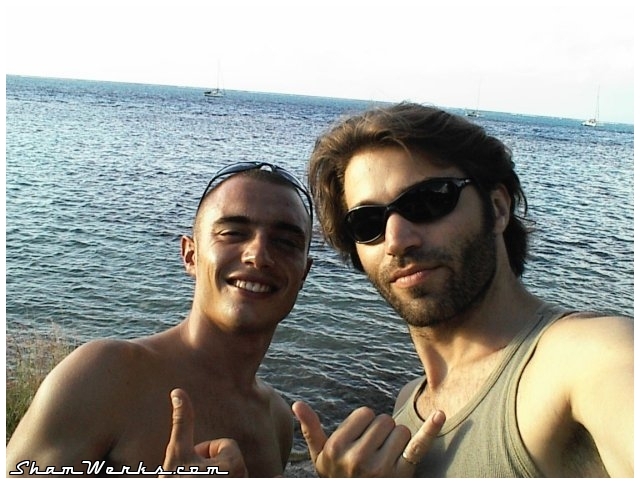
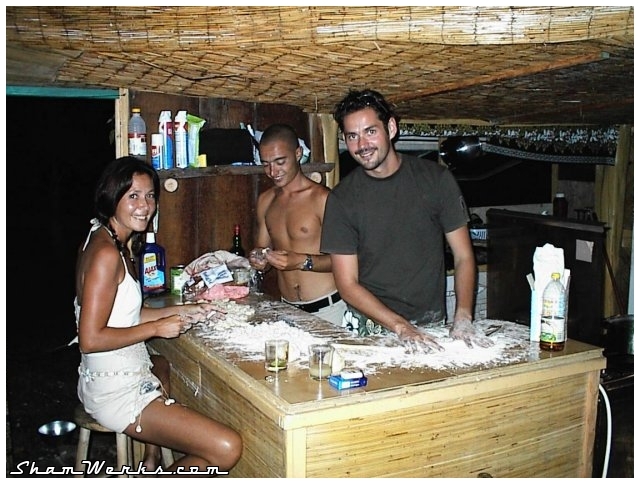
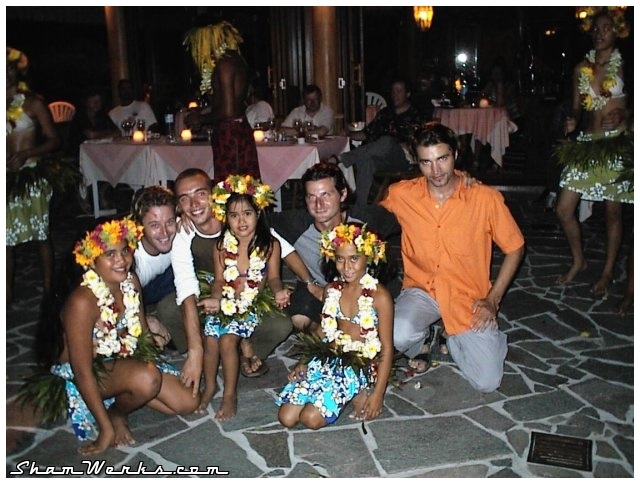
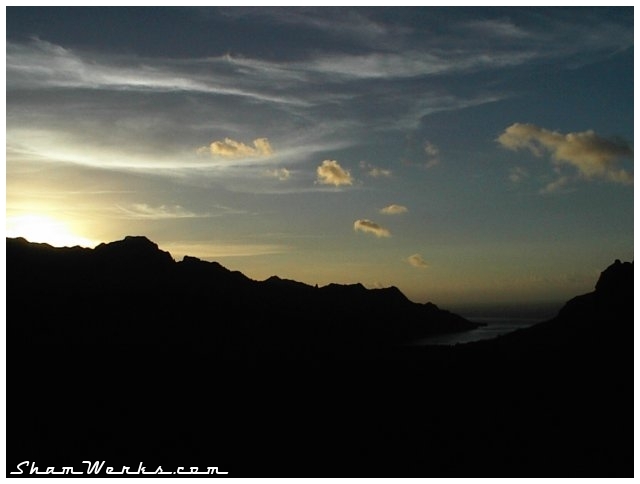
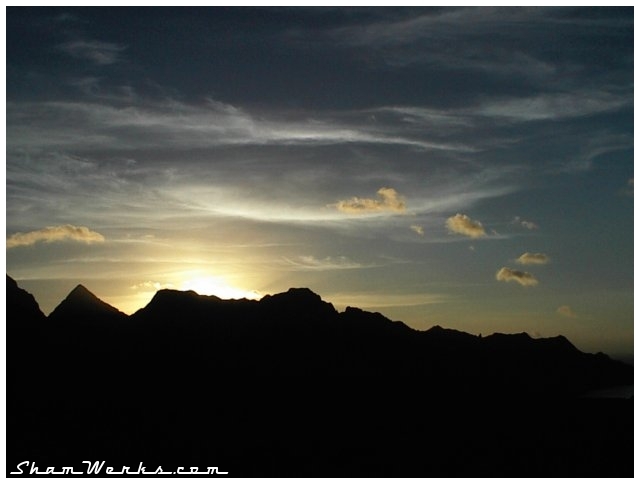
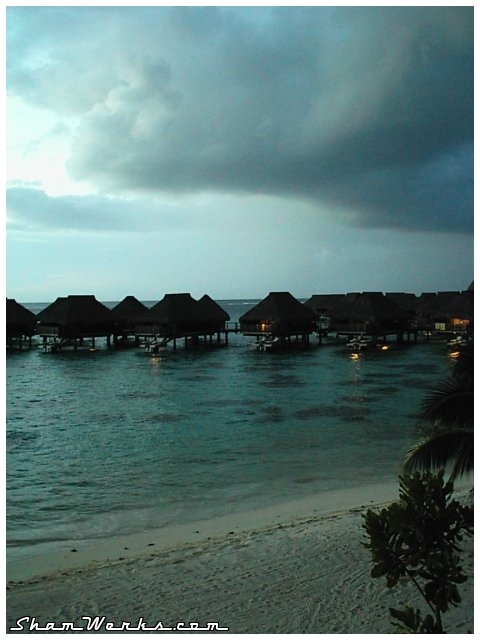
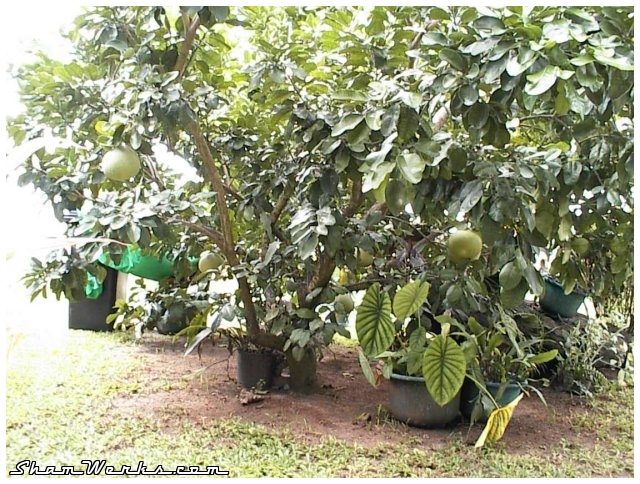
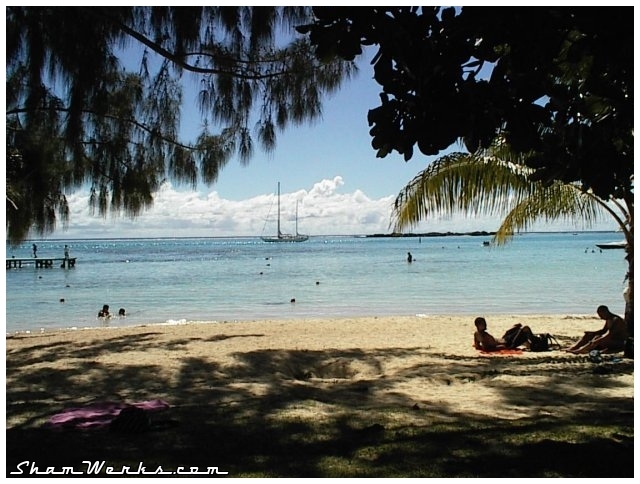


Bonus : une petite vidéo de chez Francky, le faré raditionnel qui a été ma maison pendant 6 semaines!